
































When the Kia Telluride first hit the pavement, it didn’t just enter the midsize SUV market—it took it over. What was meant to be a steady addition to the Kia lineup quickly turned into a cultural phenomenon, leaving dealerships with empty lots and buyers on month-long waiting lists. Fast forward to 2026, and the momentum hasn’t slowed down; it’s actually accelerated.
With demand reaching a fever pitch, Kia has officially pivoted, boosting production capacity to 100,000 units (and recently aiming even higher toward 180,000 for upcoming cycles) to ensure that the “King of the Carpool Lane” stays on top. But why is everyone obsessed with this specific SUV, and what does this production spike mean for you?
Let’s dive into the details of how the Telluride became the vehicle that forced a global manufacturing giant to rethink its limits.
Why the Kia Telluride is the “Must-Have” SUV of 2026
The Telluride’s success isn’t an accident. It’s the result of Kia identifying a “sweet spot” in the market: the intersection of rugged luxury and approachable pricing. For years, if you wanted a three-row SUV that felt premium, you had to look at European luxury brands and pay a premium price.
1. The “Range Rover” Aesthetic on a Budget
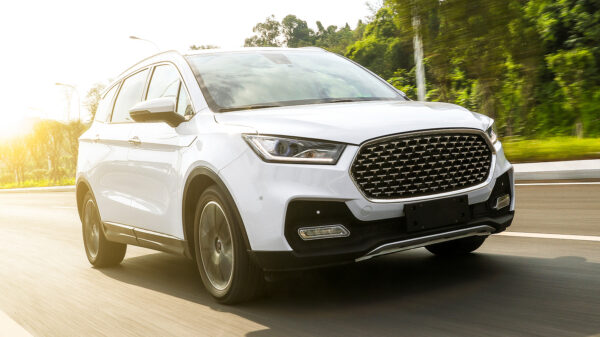
One of the primary drivers of demand is the Telluride’s design. It possesses a boxy, commanding presence that looks significantly more expensive than its MSRP. With the recent 2026 refreshes, including slimmer LED headlights and a more aggressive lower fascia, it continues to turn heads in suburban driveways and city streets alike.
2. The Arrival of the Hybrid
A massive factor in the recent production push is the introduction of the Telluride Hybrid. Consumers have been vocal about wanting better fuel efficiency without sacrificing the 5,000-pound towing capacity or the spacious eight-passenger interior. By adding a 2.5L turbocharged hybrid powertrain, Kia has effectively removed the only “con” many buyers had on their list.
Breaking Down the Production Boost: What Changes?
Increasing production to 100,000+ units isn’t as simple as flipping a switch. It requires a massive coordination of supply chains, labor, and factory logistics at Kia’s West Point, Georgia plant.
How Kia is Making it Happen:
- Shift Optimization: Adding additional shifts and streamlining the assembly line to reduce the “takt time” (the rate at which a finished product rolls off the line).
- Supply Chain Prioritization: Kia is prioritizing microchips and high-end materials for the Telluride over less popular models to ensure the 100,000-unit goal is met.
- Localized Manufacturing: By building these units in the U.S., Kia avoids the logistical nightmares of international shipping and heavy import tariffs, allowing them to keep the price competitive.
Pros and Cons of the 2026 Kia Telluride
Before you join the thousands of buyers clamoring for a spot in line, it’s important to see if this SUV actually fits your lifestyle.
| Feature | Pros | Cons |
| Interior | Near-luxury materials and massive legroom in all three rows. | Top trims can get pricey, nearing $55,000+. |
| Technology | Dual 12.3-inch panoramic screens and standard safety tech. | Some users find the infotainment menus slightly complex at first. |
| Performance | New Hybrid option offers 35 MPG (FWD) and 329 hp. | The base V6 engine is reliable but thirsty for fuel. |
| Resale Value | Historically high; these SUVs hold their value incredibly well. | High demand means very little room for dealer negotiations. |
Real-World Use Case: The “Weekend Warrior” Family
Consider the Thompson family. They need a vehicle that can handle the Monday-to-Friday school run but also pull a small camper to the lake on Saturdays.
In the past, they might have looked at a full-sized SUV like a Chevy Tahoe, but the fuel costs and parking headaches were a turn-off. The Telluride offers them 87 cubic feet of cargo space (with seats down) and a tow mode that levels the suspension automatically. For them, the production boost means they might finally find the “X-Pro” trim they’ve been searching for without a “market adjustment” markup.
If you are looking for more deep dives into the latest automotive trends and model comparisons, be sure to check out the latest car news and reviews to stay ahead of the curve.
Tips for Buying a Telluride in a High-Demand Market
As an expert who has watched the Kia market closely for years, here is how you navigate the current “100,000-unit” landscape:
- Order, Don’t Just Browse: Even with increased production, the exact color and trim you want (like the popular Wolf Gray or Jungle Green) may not be on the lot. Ask your dealer about “allocations” rather than just looking at current inventory.
- Check Multiple Zip Codes: Because demand is regional, a dealership two hours away might have a shorter waitlist than the one in your backyard.
- The “Hybrid” Strategy: If you want the new Hybrid model, be prepared to act fast. These are expected to make up a large portion of the new production volume but are currently the most sought-after units.
FAQ: Your Questions Answered
Is the Kia Telluride actually reliable?
Yes. J.D. Power and Consumer Reports consistently rank the Telluride high for predicted reliability. Additionally, Kia’s 10-year/100,000-mile powertrain warranty is one of the best in the industry, providing significant peace of mind for long-term owners.
Why did Kia wait so long to increase production?
Manufacturing is a balancing act. Expanding too fast can lead to quality control issues. Kia waited until they could ensure that the 100,000th unit off the line was just as well-built as the first.
Will the price go down now that there are more units?
Unlikely. While more supply usually lowers prices, the demand for the Telluride is still outstripping the 100,000-unit target. However, it will likely lead to fewer “dealer markups,” bringing the out-the-door price closer to the actual MSRP.
Conclusion
The decision for Kia to boost Telluride production to 100,000 units is a testament to the vehicle’s “unicorn” status in the automotive world. It’s rare for a car to check so many boxes—style, safety, space, and now, with the hybrid variant, efficiency.
While the increased production means more families will finally get to park a Telluride in their garage, this SUV remains a hot commodity. If you’ve been on the fence, 2026 is the year to make your move. The “King” isn’t giving up its crown anytime soon, but at least now, there are enough crowns to go around.