




























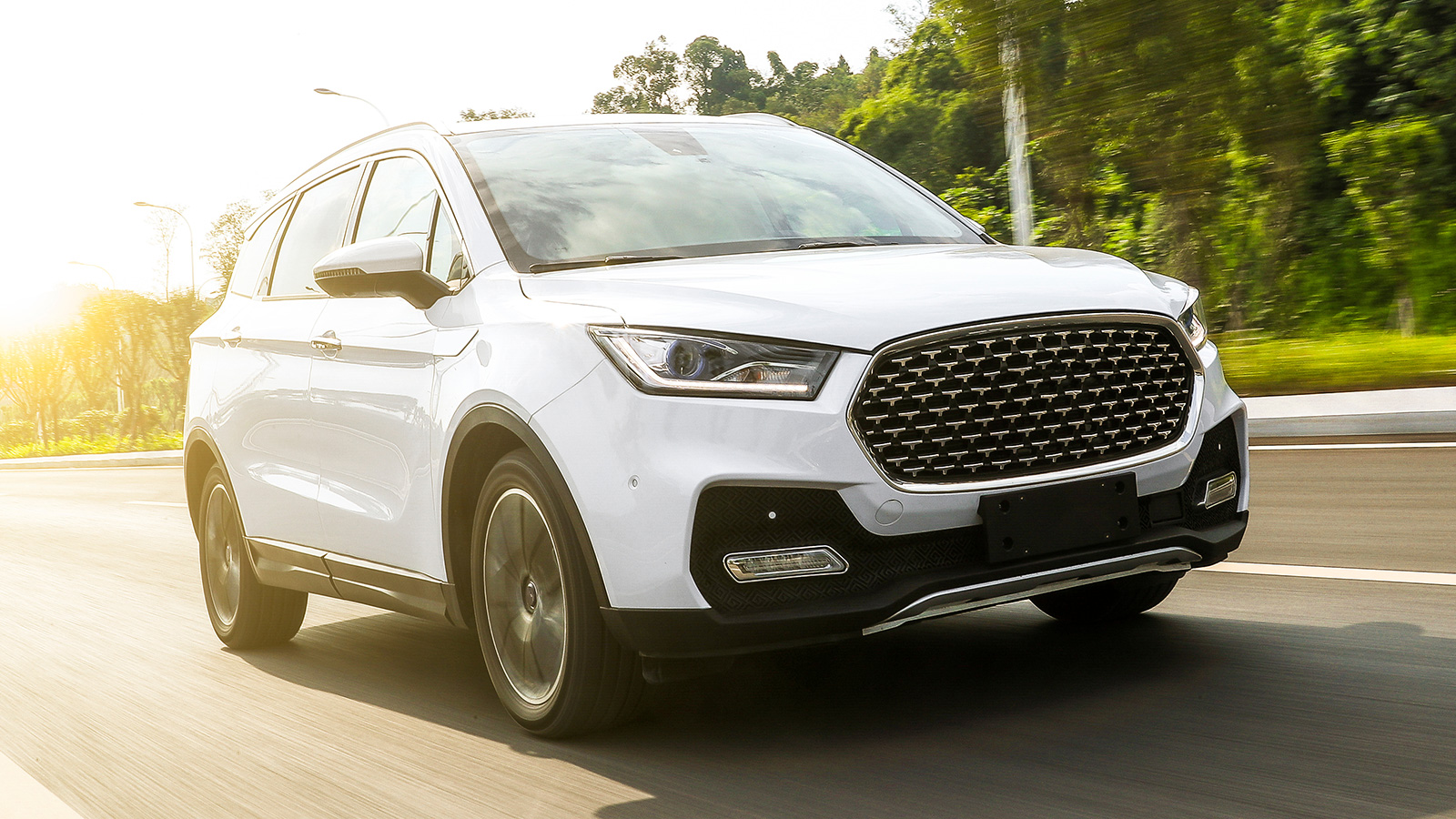
Remember when Nissan used to build cars that made enthusiasts’ hearts race? The R34 Skyline GT-R, the Silvia, the 240SX—these weren’t just vehicles; they were icons. For years, the Japanese automaker has been churning out sensible crossovers and forgettable sedans while car enthusiasts wondered what happened to the brand that once defined accessible performance.
That might finally be changing.
Under new CEO Ivan Espinosa—a self-described “car guy” who took the helm in 2025—Nissan is plotting a return to its performance roots. The company has unveiled ambitious plans to revive beloved models, expand its Nismo performance division, and inject excitement back into a lineup that has grown stale. But can an automaker known for budget-friendly crossovers actually pull off a comeback with cool cars?
The Problem: How Nissan Lost Its Edge
Let’s be honest about what went wrong. Nissan spent the better part of two decades playing it safe. While competitors like Toyota revived the Supra and GR86, Nissan seemed content to rely on the aging Rogue andAltima. The Z—took forever to arrive and felt more like a reshuffled version of the previous generation than a proper evolution.
Sales tanked. Profits plummeted. The company even found itself in merger talks with Honda—an alliance that ultimately fell through, leaving Nissan to chart its own path forward. According to financial reports, Nissan’s operating profit fell dramatically, forcing the company to slash costs, close plants, and lay off workers.
The writing was on the wall: Nissan needed to remind the world why it mattered.
The New Game Plan: Re:Nissan and Beyond
In late 2024, Nissan launched what it calls the Re:Nissan plan—a recovery strategy aimed at stabilizing the company and setting up for future growth. Now, with Espinosa at the wheel, the automaker is moving from survival mode into something more ambitious: becoming cool again.
Here’s what that actually looks like in practice.
1. Doubling the Nismo Lineup
Nismo is Nissan’s in-house performance division—the equivalent of Toyota’s GR (Gazoo Racing) or Honda’s Type R. Currently, Nissan offers five Nismo models globally. By 2028, that number will double to ten.
This isn’t just badge engineering, either. Nissan is genuinely committed to infusing performance DNA across its lineup. The company is already preparing a new Nismo concept for the Tokyo Auto Salon 2026, and there’s serious talk about bringing performance variants to models that have never had them—including potential Nismo versions of the Leaf.
The strategy mirrors what made brands like Subaru and Honda famous: taking everyday cars and making them genuinely exciting to drive.
2. Bringing Back the Xterra
The Xterra was never supposed to disappear. This compact, rugged SUV was a staple for adventurers who wanted capability without the luxury price tag. Its tagline—”Everything you need and nothing that you don’t”—captured exactly what made it special.
Now, Nissan is reviving it. The new Xterra will ride on a body-on-frame platform specifically designed for serious off-road duty, competing directly with the Ford Bronco and Toyota 4Runner. Industry insiders suggest it will retain the affordable pricing that made the original so popular, rather than chasing luxury territory.
3. The Potential Return of the Silvia
Here’s where things get really interesting for enthusiasts. When reporters asked Espinosa directly about the Silvia—a lightweight, rear-wheel-drive coupe that became a drift culture icon—his response was telling.
“We have multiple nameplates we could leverage,” he said, then paused, smiled, and added, “For sure we will see more sports cars coming into the portfolio.”
He stopped short of confirming anything specific, but the enthusiasm was unmistakable. According to Ponz Pandikuthira, Nissan’s Chief Planning Officer for North America, Espinosa has long been pushing for an affordable, lightweight sports car in the spirit of the original Silvia.
This matters because it suggests the passion comes from the top. When a CEO genuinely wants to build exciting cars, things tend to happen.
4. Expanding the Heritage Restoration Program
Nissan understands that its past is part of its appeal. The Skyline GT-R R32, R33, and R34 are legendary machines, and the market for restoring these vehicles is booming—estimated at over $3 billion globally and projected to grow to nearly $8 billion by 2032.
Nissan Motorsports & Customisation (NMC) is expanding its heritage restoration program, starting with those three generations of GT-R. The company is adding reproduction parts and offering factory-certified restoration services. This does more than generate revenue; it keeps existing fans engaged and creates a pipeline of potential buyers who already love the brand.
5. Smarter Lineup Management
Part of Nissan’s problem wasn’t just a lack of exciting cars—it was too many mediocre ones. The company currently sells over 60 different models globally, many of which barely move off dealer lots.
Under the new strategy, Nissan will trim its lineup to around 45 models, concentrating development on three core vehicle families. About 80% of sales will come from these core platforms. This frees up resources for the “heartbeat” models—vehicles that embody Nissan’s DNA and emotional appeal.
The Tech Angle: AI and Hybrid Focus
Nissan’s turnaround isn’t just about nostalgic sports cars. The company is also investing heavily in technology, including a system called AI Drive Technology (AIDT).
Think of it as an advanced driver assistance suite that uses artificial intelligence to improve safety and convenience. Nissan plans to roll this out across 90% of its lineup over time, starting with the new Elgrand in Japan. There’s also talk of next-generation ProPilot with point-to-point autonomous capability arriving by 2028.
On the powertrain front, Nissan is finally embracing hybrids in a serious way. The Rogue will offer hybrid and plug-in hybrid options, and the company is developing its e-Power technology—which uses a gas engine as a generator to charge batteries that then power the wheels—for broader application. This strategy acknowledges that while EVs are the future, the transition is happening slower than expected, especially in North America.
Pros and Cons of Nissan’s “Cool Cars” Strategy
Pros:
- Enthusiast credibility: Bringing back nameplates like Xterra and potentially Silvia signals Nissan understands its heritage
- Financial focus: Trimming the lineup reduces waste and concentrates investment where it matters
- Performance expansion: Doubling Nismo models gives buyers more exciting options
- Heritage engagement: Restoration programs keep long-time fans invested in the brand
Cons:
- Execution risk: Big plans are meaningless if Nissan can’t deliver quality products on time
- Financial constraints: The company is still recovering from significant losses; development costs add up
- Market uncertainty: Consumer appetite for new sports cars remains unclear in an SUV-dominated market
- Competition is fierce: Toyota, Honda, and even Hyundai are already ahead in the performance game
Tips for Watching Nissan’s Comeback
If you’re a potential buyer or just a car enthusiast keeping tabs on this situation, here are some practical considerations:
- Follow Nismo announcements closely. The doubled lineup will roll out over the next few years, and early models often set the tone for what’s coming.
- Keep an eye on the Xterra. This is likely Nissan’s most visible “cool car” play in the near term, and it could arrive as early as 2027.
- Consider the Leaf’s transformation. The new Leaf is shifting from compact hatchback to crossover, and a potential Nismo variant could be a game-changer in the affordable EV performance space.
- Watch for partnership announcements. Nissan has been open about seeking external partners to share development costs. A collaboration with another automaker could accelerate performance car plans significantly.
- Check restoration program availability. If you own an R32, R33, or R34 GT-R, official parts support is expanding—this could affect your maintenance options and potentially your car’s value.
Frequently Asked Questions
Will Nissan actually bring back the Silvia?
Nissan hasn’t confirmed a specific Silvia revival, but CEO Ivan Espinosa has expressed enthusiasm for lightweight, affordable sports cars in the Silvia’s spirit. With the company doubling its Nismo lineup and expanding into heritage models, a Silvia-like vehicle is plausible—but it may take several years before anything materializes.
When will the new Xterra be available?
Based on recent announcements, the reborn Xterra is expected to arrive sometime around 2027. It’ll be built on a body-on-frame platform designed for serious off-roading, competing with the Ford Bronco and Toyota 4Runner. Pricing details haven’t been released, but Nissan executives have emphasized keeping it affordable.
What is Nismo, and why does it matter?
Nismo stands for “Nissan Motorsports.” It’s the brand’s official performance division, responsible for high-performance variants of Nissan vehicles and factory-backed racing efforts. Expanding Nismo means more sporty models across Nissan’s lineup, not just limited-edition halo cars. This matters because it makes performance more accessible to everyday buyers.
How is Nissan using AI in its cars?
Nissan’s AI Drive Technology (AIDT) is an advanced driver assistance system that uses artificial intelligence to enhance safety and convenience features. The company plans to deploy this technology across most of its lineup over time, with the goal of making driving easier and safer without sacrificing the engagement that enthusiasts want.
The Bottom Line
Nissan’s bid to make cool cars again isn’t just marketing spin—there’s substance behind the announcements. A CEO who actually cares about performance, concrete plans to revive beloved nameplates, a serious expansion of Nismo, and a focus on trimming the fat to invest in vehicles that matter.
Is this a guaranteed success? No. Execution is everything in the auto industry, and Nissan has stumbled before. The financial situation remains fragile, and the competition isn’t standing still.
But for the first time in years, there’s genuine reason for optimism. The company appears to understand what made it special in the first place, and more importantly, it seems committed to doing something about it.
If Nissan can deliver on even half of what it’s promising, car enthusiasts might finally have another option beyond Toyota and Honda when looking for an affordable, exciting vehicle. And that would be genuinely good for everyone who loves driving.
Nissan Wants to Make Cool Cars Again: What’s Coming

Independent technology writer focused on artificial intelligence, emerging technologies, and digital innovation. Covers AI applications in sports, productivity, and online business.