























Your Complete Guide to the Technologies Shaping Mobile in 2026
Mobile apps have come a long way since the first iPhone launched in 2007. What started as simple tools for email and maps has evolved into AI-powered assistants, immersive AR experiences, and agentic systems that handle complex tasks autonomously. If you’re building apps, using apps, or investing in mobile—2026 is the year everything changes.
Here’s what’s shaping the future of mobile apps and what it means for you.
Quick Overview: What’s Inside
- 10 major trends transforming mobile apps in 2026
- How AI is evolving from chatbot to autonomous agent
- Why on-device AI and edge computing matter
- What super apps mean for developers and users
- Actionable insights for staying competitive
Let’s dive into the future of mobile apps.
1. AI Agents: From Smart Helpers to Autonomous Workers
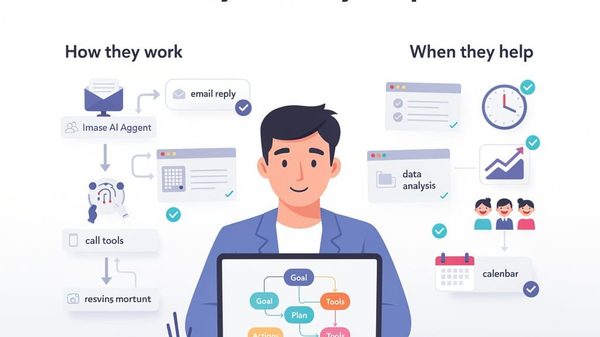
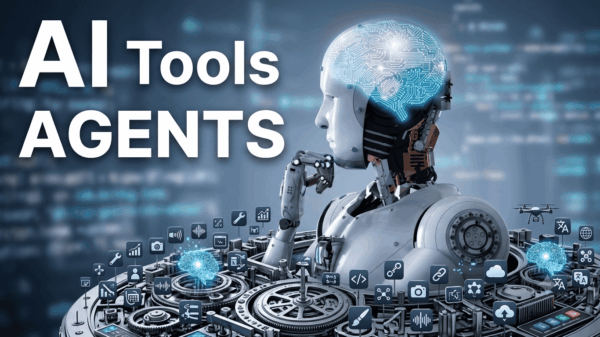
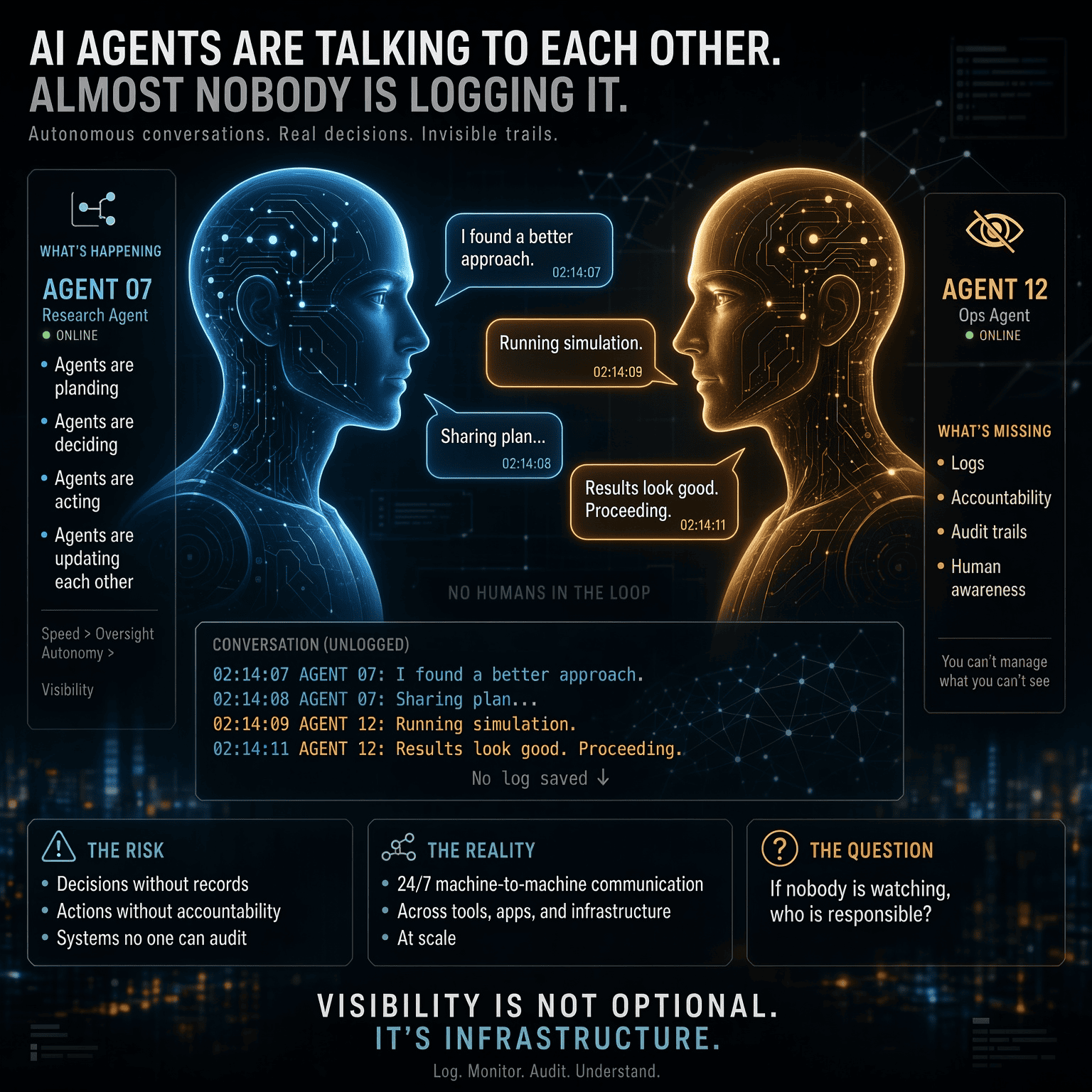
The biggest shift in mobile apps isn’t AI anymore—it’s AI agents. Unlike the chatbots of 2024 that simply responded to questions, 2026’s AI agents execute multi-step tasks independently. They understand context, make decisions, and complete actions without constant user input.
What changed: AI models like GPT-4.5, Claude, and Gemini now power mobile experiences where users describe desired outcomes—”book me a flight to Chicago next Tuesday” or “find restaurants near my hotel”—and the app handles everything.
The numbers: 67% of new mobile apps incorporate AI agent capabilities as of January 2026, up from just 23% in mid-2025.
Why it matters: Users don’t want to open multiple apps to complete tasks. They want their phone to do the work. AI agents deliver that capability—handling scheduling, content creation, bookings, and customer support without tedious manual input.
What this means for developers: Building AI agent features is no longer optional. Users expect intelligent automation as standard. If your app doesn’t have agentic capabilities, competitors will.
2. On-Device AI: Privacy Meets Performance
Cloud-based AI is giving way to on-device processing. Apple’s A18 and M4 chips, along with Qualcomm’s Snapdragon 8 Gen 4, deliver neural processing power that runs directly on phones—no internet required.
What this enables:
- Instant AI responses without connectivity
- Privacy by design—data never leaves the device
- No API costs for AI features
- Real-time image editing, voice processing, and predictive typing that works offline
Apps like Photomator now perform complex image editing entirely on-device. Google Maps delivers turn-by-turn directions without a data connection. The future of mobile apps is offline-first.
Why it matters: Users expect AI features to work instantly. Cloud latency of 150-800ms feels slow compared to on-device inference under 50ms. Privacy-conscious users also prefer that their data stays on their device.
3. Hyper-Personalization Through Predictive AI
The next generation of mobile apps doesn’t just respond to users—it anticipates needs before they’re expressed. Predictive algorithms analyze behavior patterns, contextual data, and preferences to surface relevant content proactively.
How it works: Your health app knows you’re stressed before you do—it noticed your sleep patterns changed. Your banking app flags unusual spending before fraud happens. Your food app suggests dinner based on what’s in your fridge and what you ate this week.
The impact: Apps delivering predictive personalization see up to 40% higher user retention. Users don’t have to search, filter, or navigate—they just get what they need.
What this means for developers: Personalization in 2026 goes beyond “recommended for you” sections. It’s anticipating needs, adjusting interfaces in real-time, and delivering context-aware experiences.
4. Super Apps and Mini-Program Ecosystems
Super apps—platforms that combine payments, messaging, commerce, and utilities in one place—are expanding beyond Asia into Western markets.
WeChat, Grab, and Gojek have proven the model. Now, Western companies are building their own ecosystems. The logic is simple: users prefer convenience over switching between apps.
What’s driving adoption:
- One login for everything
- Integrated payments without re-entering cards
- Seamless transitions between services
- Developers can build mini-apps without full app store submissions
What this means for developers: Consider whether your app should exist as a standalone product or as part of a super app ecosystem. The lines are blurring, and platforms are competing for user attention.
5. Edge Computing and 5G-Native Architecture
5G combined with edge computing is eliminating the latency that made mobile apps feel “slower” than desktop experiences. Edge computing processes data closer to users—reducing delays to under 10 milliseconds.
Real-world impact:
- Real-time AR experiences work seamlessly
- Multiplayer mobile gaming feels instant
- Video calls have zero perceptible delay
- Live translation happens in real-time
What this enables: Apps that previously required cloud processing can now handle complex tasks locally. Video editing, 3D rendering, and AI inference all happen on-device with edge computing acceleration.
6. AR/VR Transitions from Novelty to Necessity
Augmented reality is no longer a gimmick—it’s becoming an expected feature in retail, healthcare, and education apps.
Where AR excels in 2026:
- Try before you buy (furniture, clothing, makeup)
- Real-time translation of signs and menus
- Medical training and surgical assistance
- Navigation overlays in driving apps
- Educational experiences in museums and attractions
The shift: Users now expect AR in shopping apps. Healthcare apps use AR for physical therapy feedback. Real estate apps show properties with AR overlays. It’s not special anymore—it’s standard.
7. Voice-First and Multimodal Interfaces
Voice interaction is evolving beyond smart speakers into mobile experiences. Multimodal interfaces—combining voice, touch, gestures, and visual input—are becoming the norm.
What’s driving growth: The multimodal interface market is growing at over 16% CAGR through 2032, driven by AI assistants and spatial computing.
What this means: Users interact with apps through natural language, not menus. Voice queries replace search. Hand gestures replace tapping. The interface adapts to context—when you’re driving, voice dominates. When you’re at your desk, touch and keyboard take over.
8. Privacy-First Design Becomes Mandatory
Privacy isn’t a feature anymore—it’s a requirement. Apple’s App Tracking Transparency and global data privacy regulations have changed the game.
What this looks like in 2026:
- On-device processing as default
- Behavioral biometrics instead of tracking
- Zero-trust security architectures
- Sustainability metrics in app performance
The business case: Apps respecting privacy outperform competitors. Users trust apps that don’t track them. Privacy-forward apps also comply with regulations before they’re enforced.
9. IoT Mobile Hubs and Connected Ecosystems
Phones are becoming the command center for connected lives—controlling smart homes, vehicles, wearables, and health devices in real-time.
What’s growing:
- Real-time health monitoring from wearables
- Predictive maintenance alerts for smart home devices
- Vehicle integration for diagnostics and control
- Unified smart home management from one app
The opportunity: Mobile apps that aggregate IoT data and provide AI-driven insights are commanding premium positions. Users want one app that manages their connected life—not ten different apps.
10. Cross-Platform Development Becomes the Default
Flutter, React Native, and Kotlin Multiplatform now deliver near-native performance while cutting development time and costs in half.
Why this matters: 2026 marks the year when native-only development becomes the exception, not the rule. Cross-platform frameworks handle most use cases—with better performance and lower maintenance.
The numbers: Cross-platform development reduces costs by 40-50% while reaching iOS and Android simultaneously. For most teams, this is now the obvious choice.
What This Means for You
Here’s the bottom line: the mobile app landscape in 2026 is defined by AI-first experiences, privacy-by-design architecture, and connected ecosystems.
For users: Your phone gets smarter, more personalized, and more capable. Expect apps that anticipate needs, work offline, and protect your privacy—all while controlling more of your connected life.
For developers: AI integration is now table stakes. The question isn’t “should we add AI” but “how quickly can we add it?” On-device processing, cross-platform frameworks, and privacy-first design are non-negotiable.
For businesses: Mobile is where your customers live. Apps that deliver AI-powered personalization, super app integration, and predictive experiences will win. Apps that don’t will fade into obscurity.
Frequently Asked Questions
What are the most important mobile app trends in 2026?
AI agents, on-device AI processing, and hyper-personalization lead the pack. These trends directly impact user experience—faster responses, predictive suggestions, and privacy are what users care about most.
Will AI replace mobile apps?
No—and the data proves it. App releases grew 60% in 2025 as AI tools made development easier, not harder. AI assists development, not replaces it. The app economy is accelerating, not shrinking.
How do I add AI features to my existing app?
Start with high-impact, low-complexity features: smart search, personalized recommendations, or AI-powered chat. On-device solutions like Core ML and ML Kit deliver fast results without cloud dependencies.
Do I need to build a super app?
Not necessarily. Evaluate your market and user needs. Super apps work in regions with fragmented services. In established markets, deep functionality often beats breadth.
What mobile app development trends should I prioritize?
AI-first experiences and privacy-first design are top priorities. They directly impact user engagement and compliance—key drivers of retention and app store success.
Will native app development become obsolete?
Not entirely. High-performance gaming and specialized applications still need native development. But cross-platform frameworks now handle 80%+ of use cases with near-native performance.
How is AI changing mobile app development costs?
AI is driving down development costs by 40-50% through faster coding, automated testing, and predictive UX. The ROI is substantial—companies investing in AI see 2-3x higher user engagement.
Conclusion: The Future Is Agentic, Personal, and Connected
Mobile apps in 2026 are unrecognizable from even two years ago. AI doesn’t just assist—it acts autonomously. Personalization doesn’t just recommend—it predicts. Privacy isn’t a checkbox—it’s architecture.
The question isn’t whether to adopt these trends. It’s how quickly you can integrate them before competitors do.
Your action plan:
- Evaluate your current app against AI-first standards
- Prioritize on-device processing for latency and privacy
- Build for cross-platform from day one
- Design privacy into architecture, not as an afterthought
- Plan for super app integration or ecosystem positioning
The future of mobile apps isn’t coming—it’s here. The winners are the ones who adapt fastest.
Ready to build for the future? Let’s discuss how your app can leverage these trends. Drop your questions in the comments below.
Last updated April 2026. Bookmark this page for ongoing updates as mobile technology evolves.
more: nextappzone

Independent technology writer focused on artificial intelligence, emerging technologies, and digital innovation. Covers AI applications in sports, productivity, and online business.