


























The issue between Notion and Anthropic happened because Claude models temporarily experienced performance and stability problems, which led Notion to disable them inside Notion AI. This is not the result of a permanent split or conflict between the two companies. Instead, it was a technical disruption linked to model reliability.
During the incident, users noticed errors, slow responses, and frequent failures when selecting Claude inside Notion AI. Notion responded by temporarily switching off access to Anthropic’s models to maintain stability across its platform. Once the underlying performance issues were addressed, service gradually returned to normal.
This article explains what actually happened, why Claude stopped working inside Notion AI, and what it means for users who rely on these tools in their daily workflows.
Quick Summary of the Incident (What Users Experienced)
The issue between Notion and Anthropic started when Claude inside Notion AI suddenly became slow, unstable, or completely unresponsive. It wasn’t something users did wrong. It came from temporary performance problems on the model side.
Notion had to react quickly to keep the tool usable. For a short time, Claude was paused inside Notion AI. If you were using it that day, you probably noticed things breaking or feeling inconsistent.
The sudden degradation of Claude inside Notion AI
The first thing people noticed was simple: Claude just didn’t behave normally. It took longer to respond, and sometimes it didn’t respond at all.
If you’ve ever been in the middle of writing something important and the AI suddenly freezes, you know how distracting that feels. That’s exactly what many users experienced.
This is why people started searching for why Claude is not working in Notion AI. The issue wasn’t tied to accounts or settings. It was coming from the service powering the model itself.
Error messages, slow responses, and model failures reported by users
Users shared very similar experiences:
- Responses taking much longer than usual
- Empty or incomplete outputs
- Requests failing when selecting Claude
- The model switching or falling back unexpectedly
At first, it looked confusing. Some thought it was a problem inside Notion itself. Others assumed a bug in the integration. In reality, it was a Claude model error in Notion integration caused by backend instability.
Notion’s temporary disabling of Anthropic models
To keep things stable, Notion temporarily turned off access to Anthropic models inside its AI system. Claude didn’t disappear permanently. It was just paused until performance improved.
This kind of move is actually normal. When a third-party AI service becomes unstable, it’s better to disable it than let users struggle with constant errors.
What Actually Happened Behind the Scenes
The root of the problem wasn’t Notion. It came from the infrastructure behind Claude.
Anthropic model performance issues (Opus 4.7 / 4.8 context)
During the incident, newer Anthropic model versions experienced performance drops and instability.
When a model at this level starts struggling, every app that depends on it feels the impact immediately. That’s why users saw what looked like a Notion AI Anthropic outage explanation, even though Notion itself was not the cause.
How API instability affects Notion AI functionality
Notion AI talks to external models through APIs. Think of it like sending a request and waiting for a reply.
When that connection slows down or breaks, problems appear quickly:
- Responses time out
- Answers come back partially
- Requests fail completely
This is why the experience felt inconsistent rather than fully offline.
Why Notion had to disable Claude temporarily
Notion made a practical decision: turn Claude off for a while.
Keeping a broken model active would have meant more frustration for users. Instead, they allowed other models to handle requests while things stabilized in the background.
It’s a simple trade-off: fewer options for a short time, but a smoother experience overall.
Is This a Conflict Between Notion and Anthropic?
It’s easy to assume something bigger was going on, but that wasn’t the case.
Clearing the misconception of a “breakup”
There was no conflict between Notion and Anthropic. No partnership breakdown, no disagreement.
Claude was simply affected by technical issues, and Notion reacted to protect users.
The reality of AI model dependency partnerships
Notion doesn’t build all its AI models. It relies on partners like Anthropic and others.
That means Notion depends on systems it doesn’t fully control. When those systems struggle, Notion has to adapt quickly to keep things running.
Why SaaS tools depend on multiple AI providers
Most modern AI tools don’t rely on just one provider anymore. They mix several.
Why? Because if one fails, another can take over. It’s a safety net.
This is also why users sometimes notice model changes inside Notion AI without fully realizing it.
How Notion AI Uses Anthropic and OpenAI Models
Once you understand the setup, the behavior during outages makes more sense.
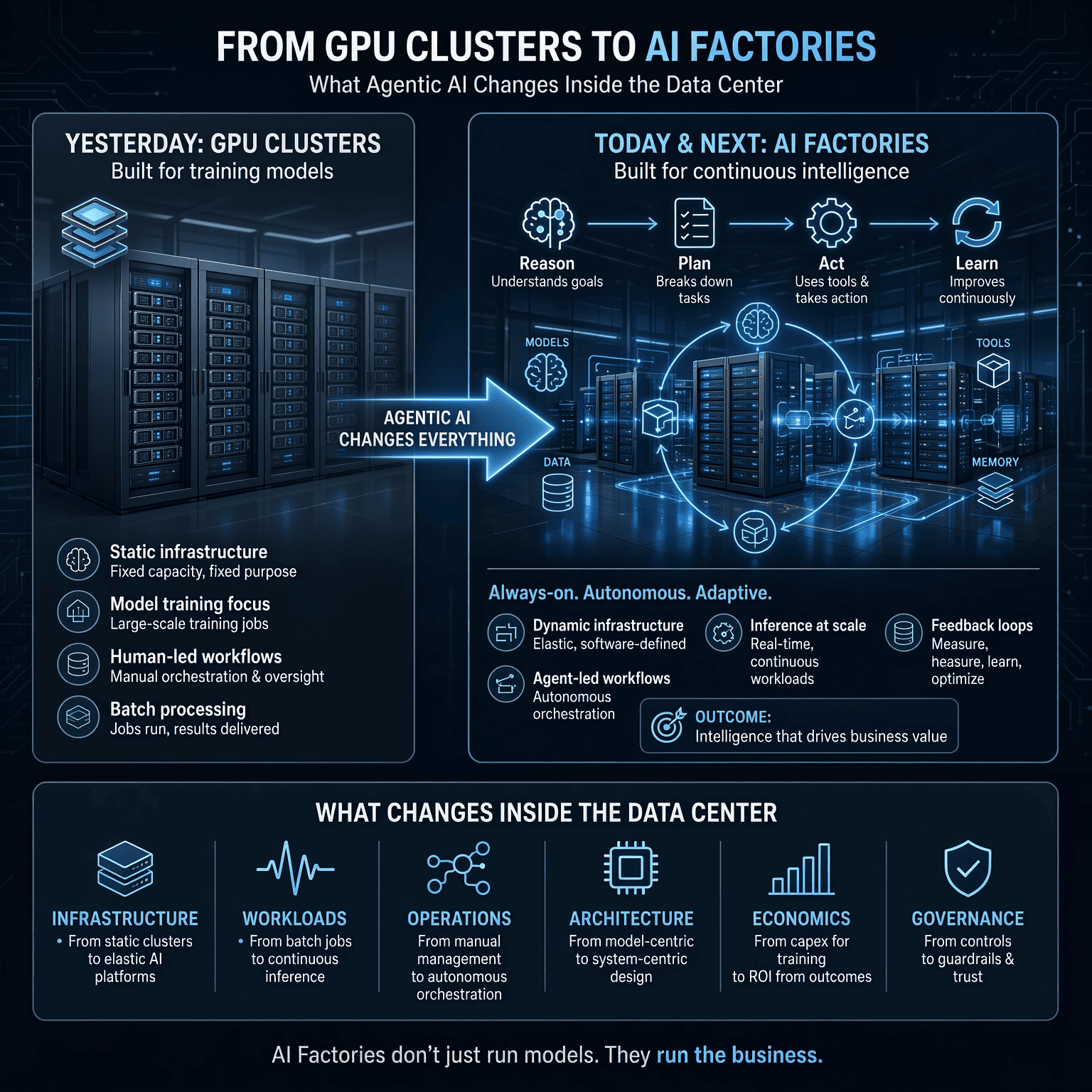
Multi-model architecture inside Notion AI
Notion AI uses multiple models behind the scenes. It doesn’t rely on a single brain.
Different models are used depending on the task, which helps balance speed, quality, and reliability.
Role of Claude vs GPT in different tasks
In simple terms:
Claude is often used for:
- Long writing
- Clear summaries
- Well-structured text
GPT models are often used for:
- Quick responses
- Brainstorming
- General questions
This is why people often compare difference between GPT and Claude in Notion AI. They feel different in tone and structure.
Why switching models happens during outages
When Claude becomes unstable, Notion quietly shifts traffic to other models.
You might not notice it immediately, but the writing style or response format can change. That’s part of the internal Notion AI model switching issue Anthropic system working in the background.
Impact on Users Who Rely on Claude in Notion
This wasn’t just a technical issue. It affected real workflows.
Productivity disruption for writing and knowledge workflows
Many people use Notion AI for everyday writing: notes, summaries, drafts, and planning.
When Claude stopped working properly, it interrupted those routines. Even a short delay can break focus when you’re in the middle of writing.
Differences users noticed when Claude stopped working
Users often noticed:
- Writing felt less natural
- Responses were shorter
- Tone became different
Some even thought Claude had been removed completely, but that wasn’t true.
Which Notion features were most affected
The biggest impact was on:
- Document writing
- Long summaries
- Content rewriting
- Research-style explanations
These features rely heavily on consistent model behavior.
Is Claude Still Available in Notion AI Today?
Current availability status (dynamic section)
Right now, Claude is generally available again in Notion AI. But availability can still change depending on traffic or temporary maintenance.
That’s why people still search Is Claude available in Notion AI 2026 when something feels off.
How to check if Anthropic models are active in your workspace
You can quickly check by:
- Opening Notion AI settings
- Looking at model options
- Testing a new document prompt
If Claude shows up, it’s active for your workspace.
What to do if Claude is missing
If Claude doesn’t appear, don’t panic. Try:
- Refreshing Notion
- Waiting during peak hours
- Switching to another model temporarily
- Checking Notion’s status page
In most cases, it comes back without any action needed.
Alternatives Inside Notion AI When Claude Is Down
Even when Claude is unavailable, work can continue.
Switching to GPT-based models
GPT models inside Notion AI are the main fallback. They stay stable and handle most writing tasks without issues.
Performance comparison: Claude vs GPT in Notion
From user experience:
Claude tends to feel:
- More structured
- More consistent in long writing
- Cleaner in formatting
GPT tends to feel:
- Faster
- More flexible
- Better for quick ideas
Both are useful. It depends on what you’re trying to do.
External tools users turned to during the outage
Some users temporarily switched to other AI tools outside Notion just to keep working. That’s a normal reaction when a core tool slows down or becomes unstable.
What This Incident Reveals About the AI Industry
This wasn’t just a Notion issue. It shows how the whole system works.
Fragility of AI API dependencies
AI tools depend heavily on external services. If one layer has trouble, many apps feel it at the same time.
That’s why disruptions can seem widespread, even when the root cause is small.
Why most productivity tools use multiple LLM providers
Most platforms now use several AI providers instead of one.
It’s a safety strategy. If one model goes down, others keep things running.
The future of multi-model AI systems
We’re moving toward smarter systems that automatically choose the best model in real time.
That should reduce interruptions like this and make tools like Notion AI more stable overall.
Key Takeaways for Notion AI Users
How to prepare for future AI outages
A few simple habits help:
- Don’t depend on one AI model for everything
- Keep backup tools ready
- Save your work often
Best workflow practices when models switch or fail
A practical approach:
- Try more than one model for important tasks
- Keep documents structured
- Expect small differences in writing style
Why redundancy in AI tools matters
This situation shows something simple: when one system fails, another needs to take over.
Without that backup layer, work stops. With it, disruption stays small and temporary.

Independent technology writer focused on artificial intelligence, emerging technologies, and digital innovation. Covers AI applications in sports, productivity, and online business.