

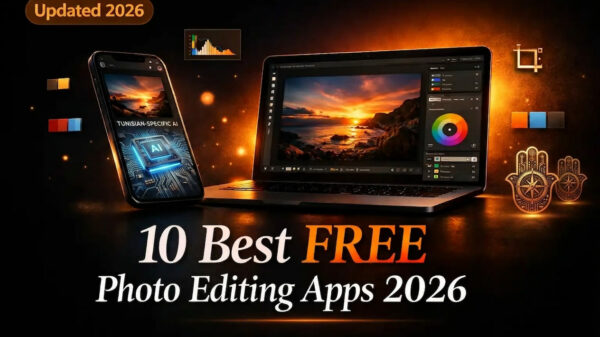
























I take a lot of photos with my phone — travel shots, product photos for a small side hustle, and the occasional portrait. For years I assumed I’d need a laptop and Lightroom to get good results. Then I spent two weeks testing every Android photo editor I could find, running the same images through each one to see which actually delivered. The differences surprised me.
This guide covers the best photo editing apps for Android in 2026, tested on real photos with honest results. I’ll tell you which ones handle portraits without turning skin into wax, which free editors don’t slap a watermark on your work, and which app I actually kept on my phone after the test was over.
What I Looked For in Each App
I judged every app on four things: output quality, speed, layer support, and how usable the free version is. An app that crashes when you try to remove a background is useless, no matter how many filters it has.
Output Quality Matters Most
An editor can have a hundred tools, but if the export looks compressed or the colors shift, it doesn’t matter. I checked each app’s export at maximum quality and compared the file size.
The Free Version Test
I tested the free tier of every app without paying. If it forced a watermark or limited export resolution, I noted it. Some of the best results came from completely free editors.
Layer Support Separates the Pros from the Toys
If you’ve ever used Photoshop, you know layers are essential. On Android, very few apps do layers well. I tested how each app handled compositing two images together.
The 8 Best Photo Editing Apps for Android (Tested on the Same 5 Photos)
1. Snapseed — The Best All-Rounder (and It’s Free)
Snapseed is Google’s photo editor, and it’s still the benchmark. I ran a portrait through it and the selective adjustment tool let me brighten just the face without blowing out the background. The export is clean, no compression artifacts.
What I liked: It’s completely free with no watermark. The U Point technology (selective adjustments) is something you’d pay for in Lightroom. Stacking edits non-destructively is a nice touch.
What I didn’t: No layers. You can’t combine two images. For basic edits it’s perfect, but for composites you’ll need something else.
Who it’s for: Anyone. It’s the best free photo editor Android has right now.
2. Adobe Lightroom Mobile — The Professional Choice
Lightroom on Android is surprisingly close to the desktop version. I processed a landscape photo and the color grading tools gave me results I’d normally need a laptop for. The AI mask feature selects skies and subjects automatically.
What I liked: Professional-grade color tools. HDR merge and panorama stitching built in. Syncs with desktop Lightroom.
What I didn’t: The free version is limited to basic edits. Healing brush, masks, and presets require a subscription. And it’s slow to open on older phones.
Who it’s for: Photographers who already use Lightroom on desktop, or anyone willing to pay for serious editing.
Internal link: If you’re comparing creative tools, our guide on the best photo editing apps for Android and iOS in 2026 covers cross-platform options in more depth.
3. Picsart — The Social Media Powerhouse
Picsart is more than a photo editor — it’s a design tool, collage maker, and sticker library all in one. I edited a product photo and used the remove background tool, which worked better than I expected on complex edges like hair.
What I liked: The AI remove background feature is genuinely useful. It has built-in social media templates. The sticker and text library is massive.
What I didn’t: The free version has ads, and they’re annoying. Export quality drops noticeably if you don’t use the paid tier. It’s also feature-heavy to the point of being cluttered.
Who it’s for: Social media creators, influencers, anyone who needs quick edits with text and stickers.
4. CapCut — Not Just for Video
Most people know CapCut for video editing, but its photo editor is solid. I tested it on a low-light shot and the AI enhancement actually recovered detail without adding noise.
What I liked: Completely free with no watermark on photos. The AI enhance tool works well. Clean interface.
What I didn’t: Photo editing feels like an afterthought in a video app. Limited advanced tools compared to Snapseed or Lightroom.
Who it’s for: People who already use CapCut for video and want a single-app workflow.
5. PhotoRoom — Best for Product Photography
PhotoRoom is designed for removing backgrounds and creating product shots. I tested it on a photo of a ceramic mug and the edge detection was sharp enough for an e-commerce listing.
What I liked: One-tap background removal is the best I’ve seen on Android. Export in 4K. Batch editing is useful if you have multiple product photos.
What I didn’t: The free version adds a small watermark. The AI-generated backgrounds in the paid version look a bit artificial.
Who it’s for: Small business owners, eBay sellers, anyone who needs clean product photos fast.
6. Canva — Design-First Editing
Canva is primarily a design tool, but its photo editor does a solid job for quick edits. I tested it for social media posts and the preset filters are well-designed.
What I liked: Huge library of templates and presets. Magic eraser tool works well. Easy to add text and elements.
What I didn’t: It’s not really a photo editor — it’s a design tool that edits photos. No curves, no histogram, no fine control.
Who it’s for: Social media managers, non-designers who need good-looking results fast.
7. Remini — AI Photo Enhancer (Specialist Tool)
Remini is not a general editor. It does one thing: enhance low-resolution or blurry photos using AI. I tested it on an old 720p photo and the result was genuinely sharper, though it added a slight plastic texture.
What I liked: The AI enhancement is impressive for old or low-quality photos. It’s one of the best photo editing apps for Android if restoration is your goal.
What I didn’t: It’s a one-trick pony. You can’t do basic edits like crop or adjust exposure without paying. The free tier has a watermark and a wait time.
Who it’s for: Anyone restoring old family photos or improving low-resolution images.
8. Photoshop Express — Lightweight Adobe Option
Photoshop Express is Adobe’s free, lightweight editor. It’s faster than Lightroom but less powerful. I used it for quick crops and color adjustments and it handled everything smoothly.
What I liked: Fast, clean interface. No account required for basic edits. Good noise reduction for a free app.
What I didn’t: Very basic. No layers, no masks, no curves. It’s basically Snapseed with fewer features.
Who it’s for: People who want a quick crop-and-adjust editor without learning anything new.
Quick Comparison Table
| App | Free Version | Watermark | Layers | AI Tools | Best For |
|---|---|---|---|---|---|
| Snapseed | Full | No | No | Selective adj. | All-purpose |
| Lightroom | Limited | No | No | Masks | Professionals |
| Picsart | Limited | No (ads) | Yes | BG removal | Social media |
| CapCut | Full | No | No | Enhancement | Quick edits |
| PhotoRoom | Limited | Yes | No | BG removal | Products |
| Canva | Limited | No | Yes | Magic eraser | Design |
| Remini | Limited | Yes | No | Enhancement | Restoration |
| Photoshop Exp | Full | No | No | No | Quick fixes |
How to Choose the Right Photo Editor for Your Needs
You Edit Portraits
Snapseed is your best bet. The selective adjustment tool lets you brighten eyes and soften skin naturally without making faces look fake. If you want AI-powered skin smoothing, try Picsart.
You Edit Product Photos
PhotoRoom is the fastest option for removing backgrounds. For color correction on product shots, Lightroom gives you the most control.
You Want a Free Photo Editor Android App with No Watermark
Snapseed and CapCut are both completely free with no watermark on exports. Lightroom’s free version is also watermark-free, just limited in features.
You Need an Android Photo Editor with Layers
Picsart and Canva both support layers. For serious layer-based compositing, you’ll still want a desktop app, but these two come closest on mobile.
Frequently Asked Questions
What is the best free photo editing app for Android?
Snapseed is the best free option overall. It’s powerful, easy to use, has no watermark, and gets regular updates from Google.
Is there a photo editor for Android that works like Photoshop?
Not exactly, but Picsart supports layers and blending modes, which is the closest you’ll get. For raw photo adjustment, Lightroom Mobile is more capable than Photoshop Express.
Can I edit RAW photos on Android?
Yes. Lightroom Mobile supports RAW editing. Snapseed also opens RAW files. Most other apps convert RAW to JPEG before editing.
Which photo editing app for Android has the best AI tools?
Picsart has the most AI features including background removal and AI enhance. PhotoRoom is best for AI background removal specifically. Remini is the leader for AI upscaling and restoration.
External link: Adobe Lightroom Mobile official page

Independent technology writer focused on artificial intelligence, emerging technologies, and digital innovation. Covers AI applications in sports, productivity, and online business.