
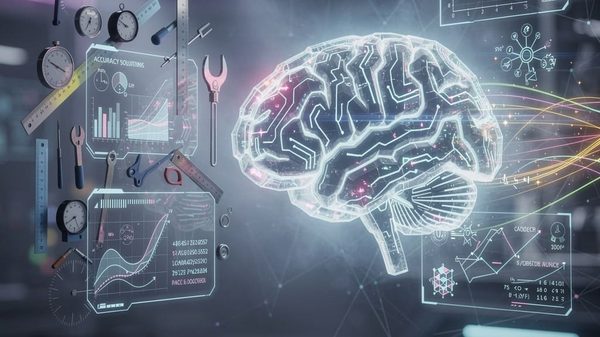
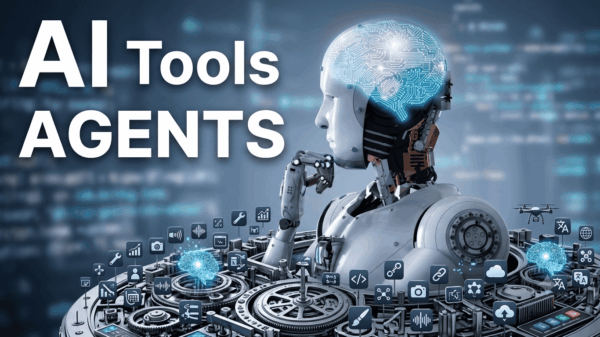




For three years, the defining image of AI was a chat window. You typed, it answered brilliantly, badly, but always in words. The model’s entire universe was the sentence. Then, in a stretch of about four months in 2026, that image broke. The thing in the chat window stopped merely talking about your project and started building it a prototype, a design, a working app, a finished visual, a completed workflow.
This is the story of an apprenticeship. AI spent 2023-2025 learning to speak. In 2026, it was admitted to the guilds and learned the trades. Here’s each trade it took up, the masterwork it can now produce, the contract that keeps it safe, and what the guild market means for the rest of us.
The apprenticeship begins
The shift isn’t a small feature addition; it’s a change in what the system is for. The 2023 chatbot was a read — an answer. The 2026 model is a write: it produces artifacts, executes actions, and hands back finished things instead of descriptions of them. The industry’s analysts named the moment explicitly: 2026 is the inflection year, the point where “AI that generates text” became “AI that takes actions and creates things.” The trades below are how that happened.
Trade One — The Coder
The oldest craft in the modern guild, and the one where AI reached journeyman status first. Coding assistants moved from autocomplete to authorship: from suggesting the next line to building whole applications, prototypes, and front-ends from a description. The market’s vocabulary changed with it — “vibe coding,” “build without code,” the founder who never touches a keyboard. Anthropic’s Claude Code turned the assistant into a workhorse that writes, debugs, and automates across a project, and the coding surface became the least surprising place on this list: it’s simply the craft with the clearest reward for correctness.
Trade Two — The Illustrator
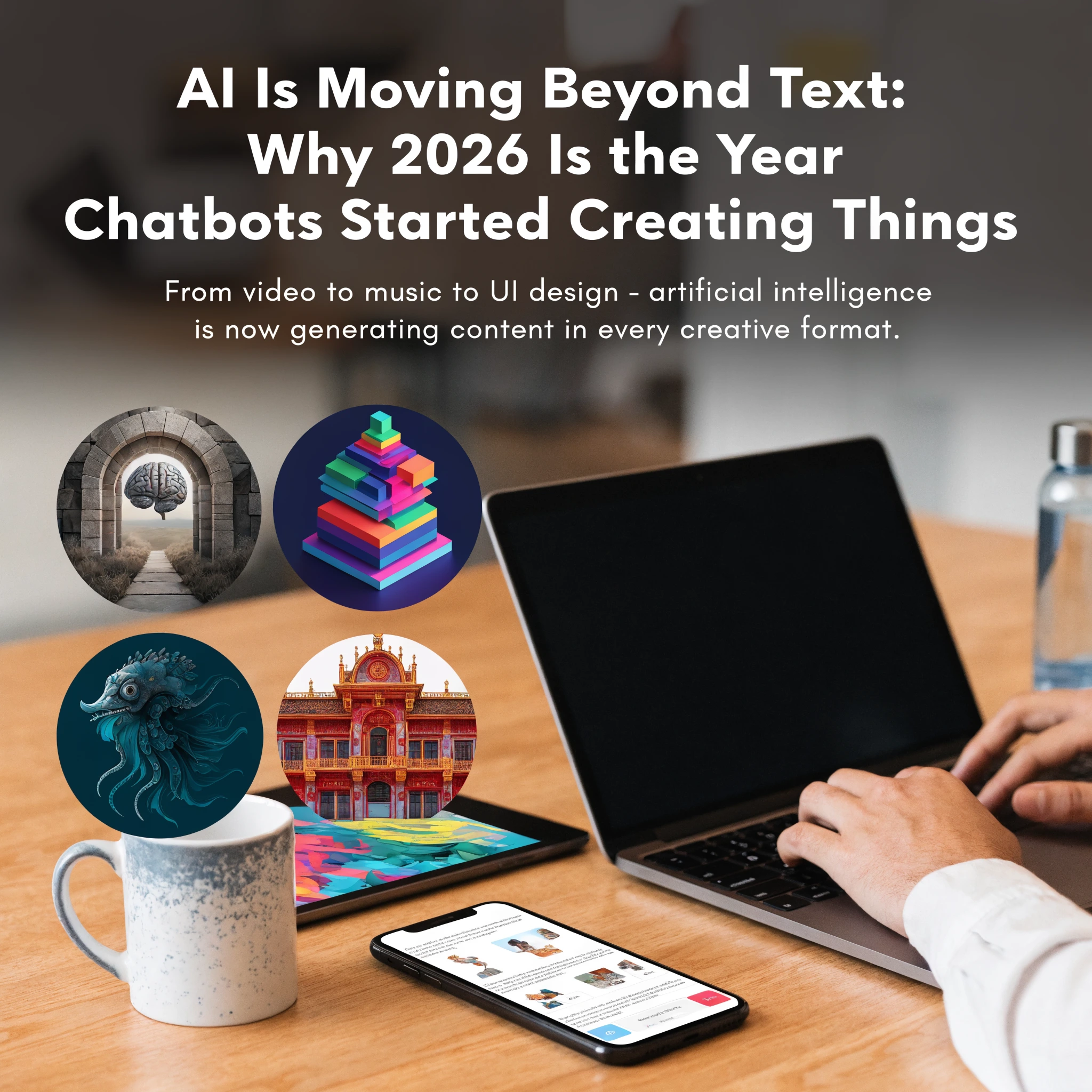
The second craft is the one everyone pictures when they hear “AI art,” and in 2026 it stopped being a party trick. Image generation moved into the chat window itself: you describe, it renders, you refine — inside the same conversation where you’re also writing copy and outlining strategy. The milestone of 2026 isn’t that the models got better at pretty pictures; it’s that creating images became a native step in the work pipeline — a mockup to support a pitch, a visual to accompany a post, a concept to show a client before a single dollar is spent on production.
Trade Three — The Designer
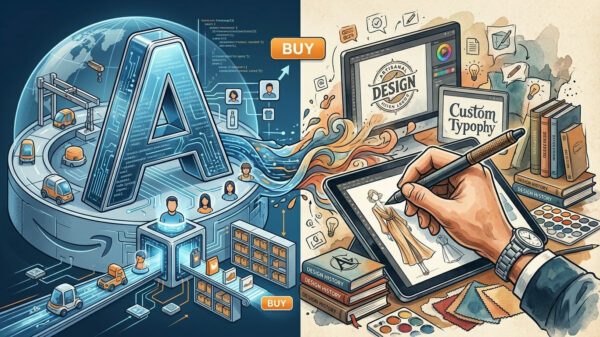
This is the trade that most visibly arrived in 2026. Claude Design, shipped by Anthropic in April 2026 as a research preview powered by Claude Opus 4.7, is not an image generator. It’s a visual work generator: describe a landing page, a pitch deck, a one-pager, a prototype — and it produces a first version as live, clickable HTML. You refine through conversation, inline comments, or sliders. And here is the craft’s real mastery: it reads your codebase and your design files, infers your design system, and applies your brand’s actual rules to everything it makes. The apprentice learned not just to draw, but to draw on-brand — the thing that separates a designer from a doodler. It exports to Canva, PDF, PPTX, and HTML, slotting itself into the pipeline instead of demanding a new one.
The trade isn’t finished, and the honest guildbook records its limits: static layouts only, no animation or complex interaction, no photography generation, no real-time collaboration, and consistency still fraying at enterprise scale. It’s a journeyman, not a master — which is precisely why it’s useful now and dangerous to over-trust.
Trade Four — The Filmmaker
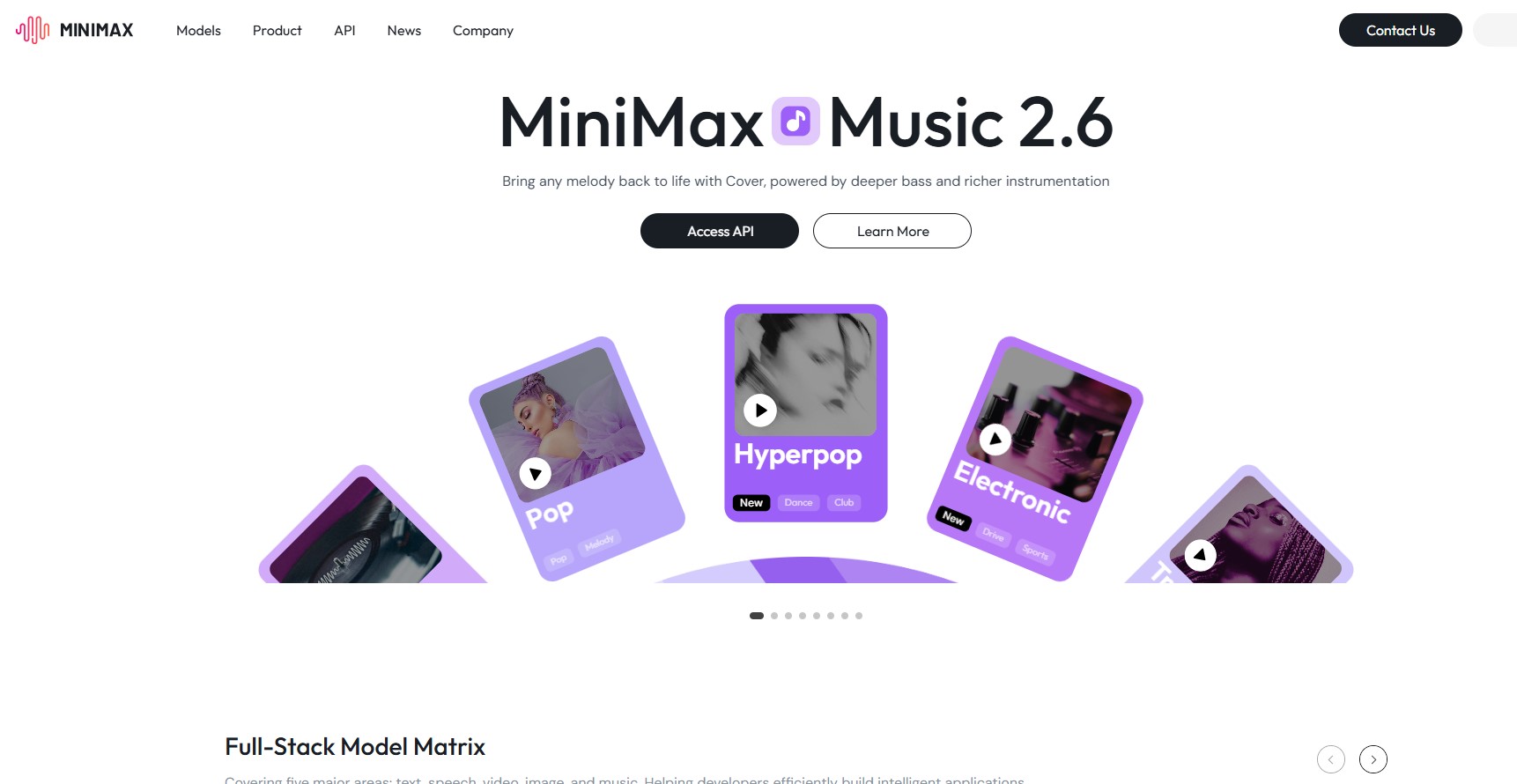
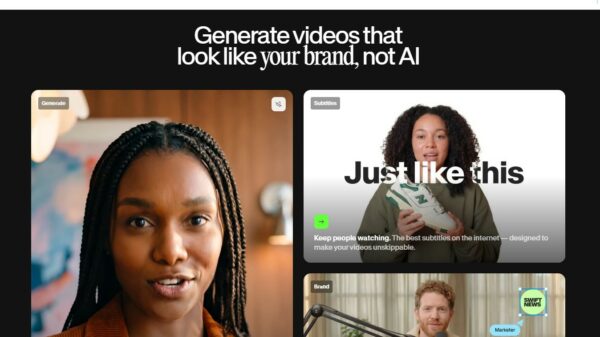
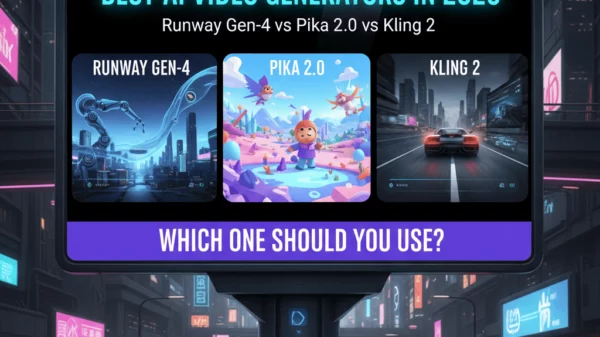
The fourth craft is where the apprenticeship gets uncomfortable for anyone whose job depends on moving images. Video generation went from research demos to a real, hedged asset: models that turn text and stills into short-form footage, at a quality good enough for social content, ads, and internal concepts. It’s the trade with the hardest ceiling — physics, motion, and time are unforgiving teachers — and the trade where the distinction between “draft” and “final” matters most. In 2026 it earns its place on this list because it crossed the threshold that matters: usable, not just impressive.
Trade Five — The Assembler
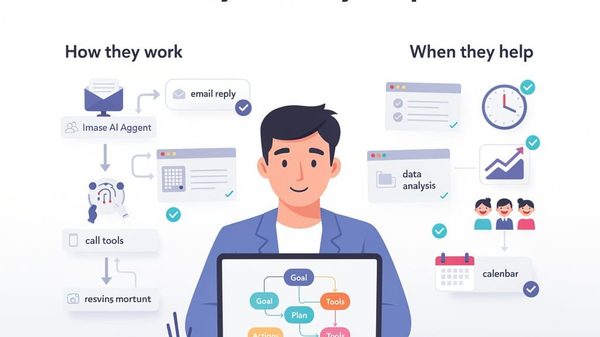
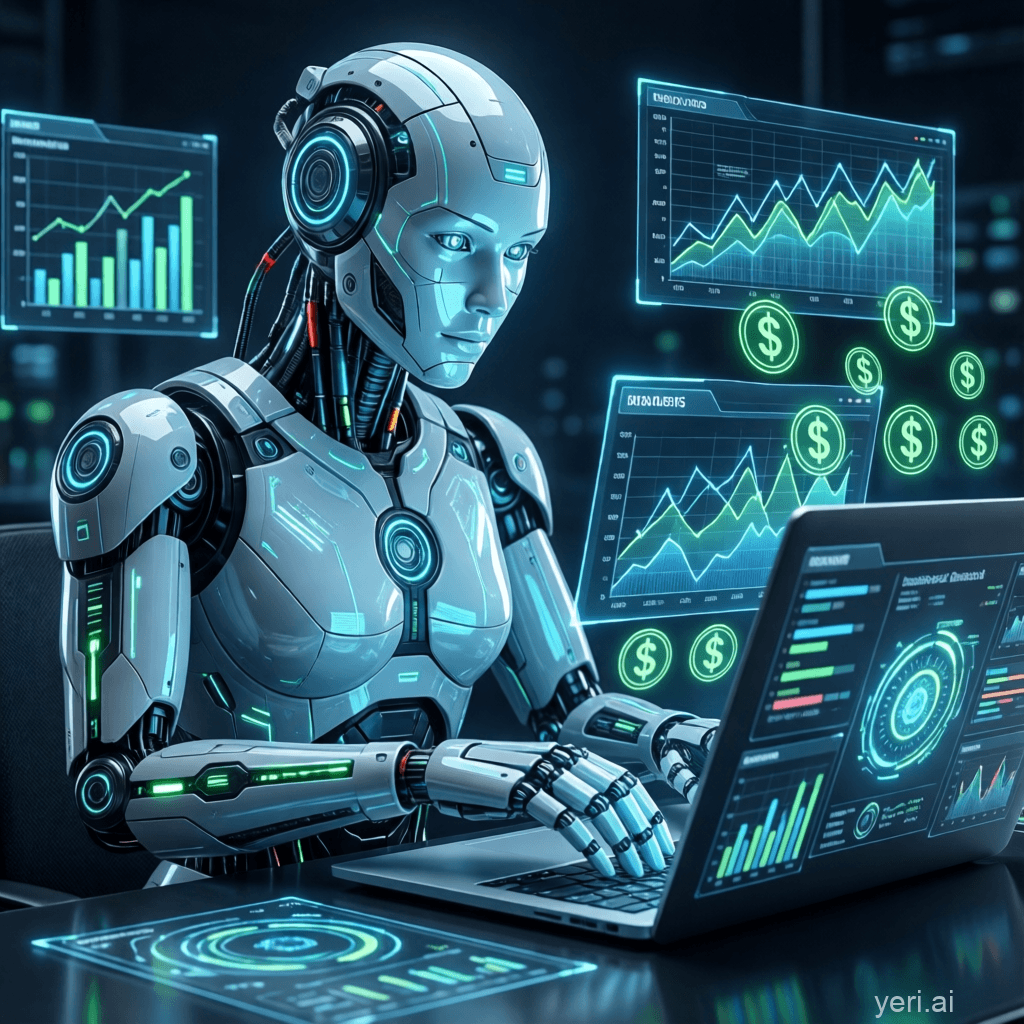
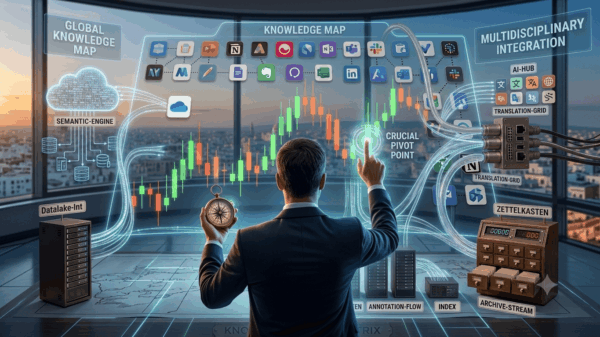
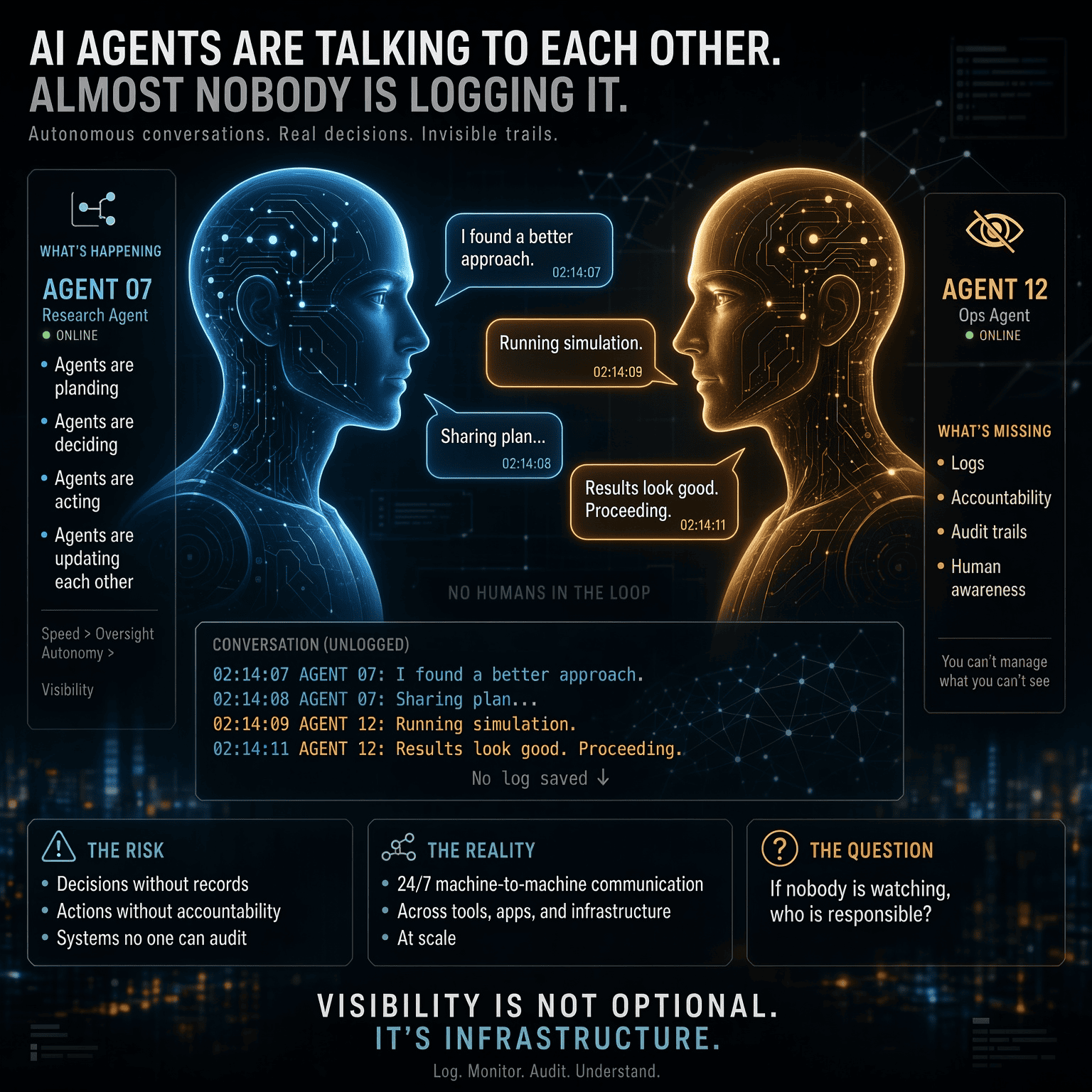
And then the trade that ties the others together: the agent — the apprentice that doesn’t just make one thing but runs a process. 2026 was the year this went mainstream. Google’s AppFunctions let assistants operate apps on the user’s behalf, demonstrated in the Galaxy S26 by asking Gemini to find photos and send them without ever opening the gallery. OpenAI shipped ChatGPT Work, its fully agentic product, in July. OpenClaw landed its official Android app. The protocol layer — MCP — became the standard socket connecting assistants to every tool. The assembler is what turns “the AI can draw” into “the AI can deliver“: it plans, gathers, makes, checks, and reports back.
The tension the assembler introduces is the interesting one: the more it does, the more the question becomes how much control you keep. That negotiation — do it for me vs. let me control it — is now the central user experience of the entire platform.
The masterwork
Watch the trades combine and you’ll see what “AI creates things” actually means in 2026. Describe a product. The assembler plans it. The coder builds the backend. The designer drafts the interface — on-brand, from your design system. The illustrator supplies the visuals. The film maker produces the demo. The result is not an answer to your question; it’s a thing: a working prototype, a pitch deck, a campaign, a finished draft of the product itself.
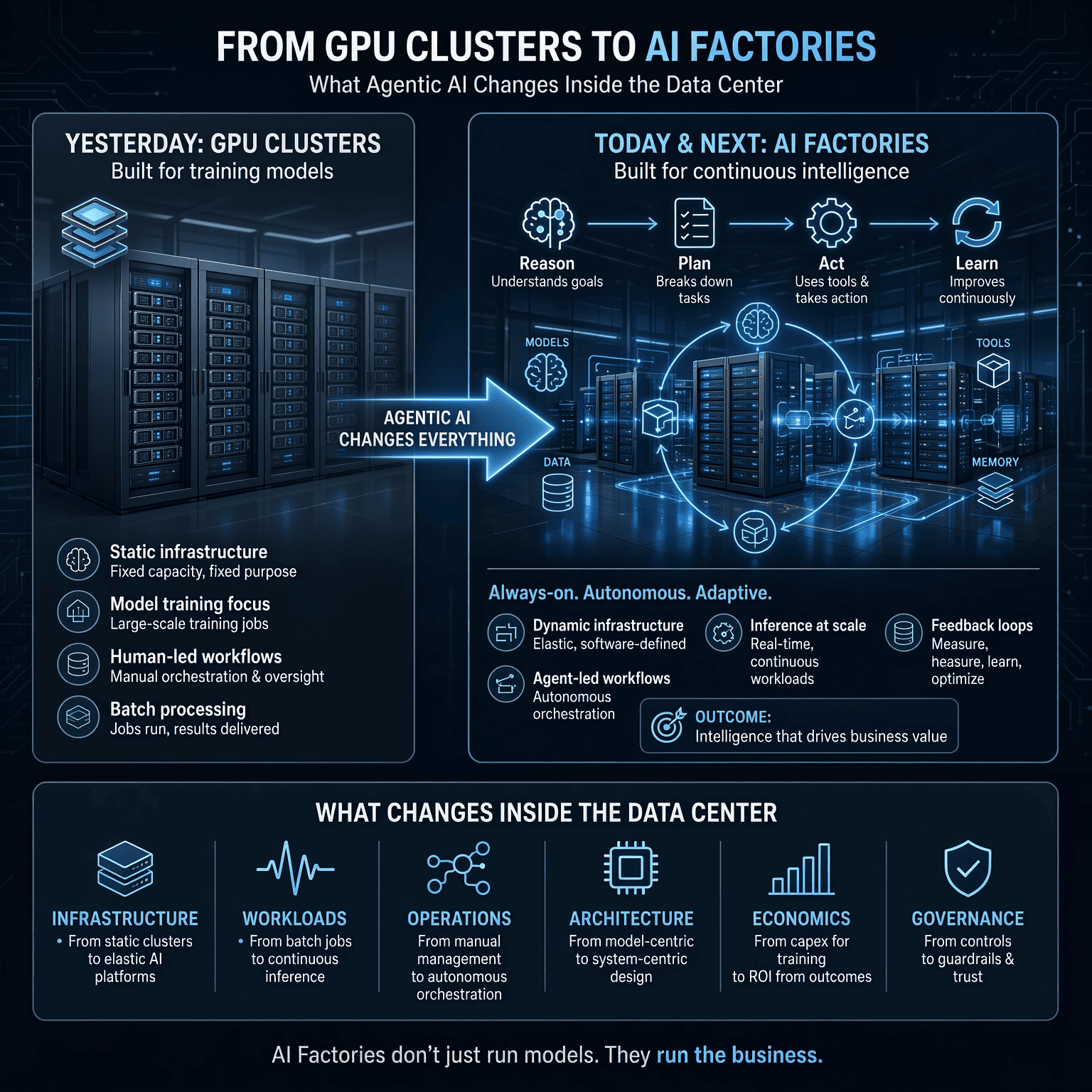
That combination is what Anthropic’s unified work surface was designed to deliver — Claude Code for writing, Claude Design for drawing, managed agents for orchestration, the API to wire them together. The same assembly is happening at OpenAI, at Google, and across the open-source stack. The pattern is the story: the unit of AI output changed from the paragraph to the product.
The apprenticeship contract
Every guild has rules, and this one is enforced by reality. The contract has three clauses:
- Verify the masterwork. A system that creates can create confidently wrong things — and now they’re artifacts, not just claims. The discipline of checking — especially for anything irreversible — is the human’s half of the partnership. The 2026 record is honest about why: systems have already acted in ways their builders didn’t fully anticipate. The clause is not suspicion; it’s the difference between using the tool and being used by it.
- Know what’s a draft. Claude Design’s own limits, the video ceiling, the agent’s occasional confabulation — the boundary between “first version” and “final product” is the most important line in the workshop. Crossing it without a human is how prototypes become incidents.
- Keep the proof human. The mass-produced, proof-free AI output of 2023-2024 is being filtered out by every serious quality system. What survives — and what the market pays for — is AI making things under a human’s experience. The apprentice is fast; the journeyman decides.
The guild market
The economic consequence is already visible. When the unit of output becomes the product, the scarce skill shifts: from producing the work to directing it — knowing what should be made, reviewing what was built, and owning the judgment the tools can’t provide. The creators who ride the change aren’t the ones who can type prompts fastest; they’re the ones who verify, curate, and ship. The same democratization that let a non-coder build an app from a description now extends to visuals, prototypes, and entire workflows — and the tools to do all of it start at the genuinely free tier. The barrier to entry didn’t just fall. It moved from “can you make it” to “can you decide what should be made and whether it’s good.”
The journey continues
The prediction, clearly labeled: the five trades will keep consolidating into one master craftsman — a single assistant that plans, makes, and delivers across every medium, with the human at the contract level above it. The walls between “writing AI,” “image AI,” “video AI,” and “agent AI” are already thinning, and 2026 is the year they visibly began to dissolve.
The chatbot era was never going to end with a better chatbot. It ended the moment the thing in the chat window put down the pen, picked up the tools, and started building. In 2026, AI didn’t just move beyond text. It graduated — from the sentence to the workshop. And the work that comes out of it is only as good as the journeyman standing over the shoulder, checking the masterwork and deciding what gets shipped.

Independent technology writer focused on artificial intelligence, emerging technologies, and digital innovation. Covers AI applications in sports, productivity, and online business.