























For years, “AI on your phone” meant one of two things: a chatbot you opened when you remembered, or a voice assistant you woke up when you were bored. Sometime in 2026, that stopped being the story. The assistant stopped being an app and became the operating layer of the device — and the shift is easier to grasp by watching a day unfold than by reading a spec sheet.
So here is a day — illustrative, assembled from the real capabilities Android shipped in 2026 — and what each hour says about where this is going.
7:00 — The phone speaks first
The alarm goes off, and before you’ve cleared your eyes, the phone is talking. Not a screen of notifications — a briefing. Today’s meetings, the weather on the route you usually drive, the email your client sent at 3 AM, summarized in two sentences, read aloud in a voice you chose.
This is the first thing that changed: the assistant no longer waits to be asked. On most Android devices, Gemini has fully replaced Google Assistant as the long-press-and-speak layer — not an optional app, but the phone’s default way of taking commands. The difference from the old assistant is the difference between a search box and a colleague. You don’t dictate keywords anymore. You say “figure out if I need to leave earlier today” and it works it out.
The second change hides underneath: a growing share of this happens on the device. The model that read your email and built the briefing is not a distant server anymore — much of the analysis stays local. That’s the quiet revolution the whole day will keep returning to.
Why it matters: the phone crossed from reactive to proactive. The assistant started the conversation, and you weren’t surprised.
8:40 — The commute becomes work time
On the train, no signal, you’re reading a long report that arrived overnight. You open Google Recorder — not to record, but to play: it transcribes and summarizes audio locally, on-device, so the half-hour meeting recording from yesterday is now a searchable text summary you can skim at 8:40 with no connection at all.
For actual research, you swipe to a standalone assistant — Perplexity or ChatGPT — and ask for a breakdown of the report’s argument with sources. These standalone AI apps have settled into a clear role in 2026: they’re the deep-work layer, the ones you open deliberately when the system assistant isn’t enough. The ecosystem has divided into two tiers — the always-on system assistant and the open-it-when-you-need-it apps — and knowing which to use for what is now a basic skill of owning a phone.
Why it matters: “no signal” used to mean “no work.” On-device AI turned dead zones into quiet hours.
11:00 — The apps start shaking hands
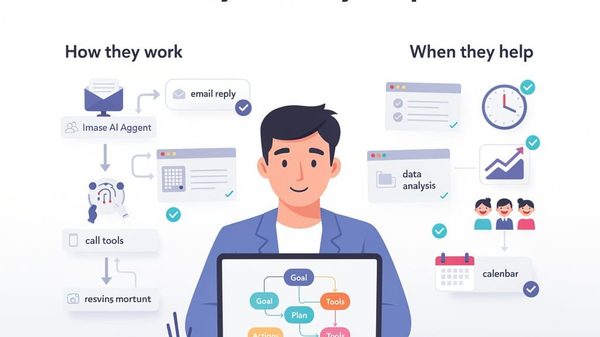
The morning’s work is interrupted by a cascade of small chores: move the meeting, reschedule the delivery, pull the numbers from the spreadsheet, draft the reply. Old Android: open four apps, shuffle between them, lose context at every step. 2026 Android: you tell the assistant what you want, and the apps cooperate behind the scenes.
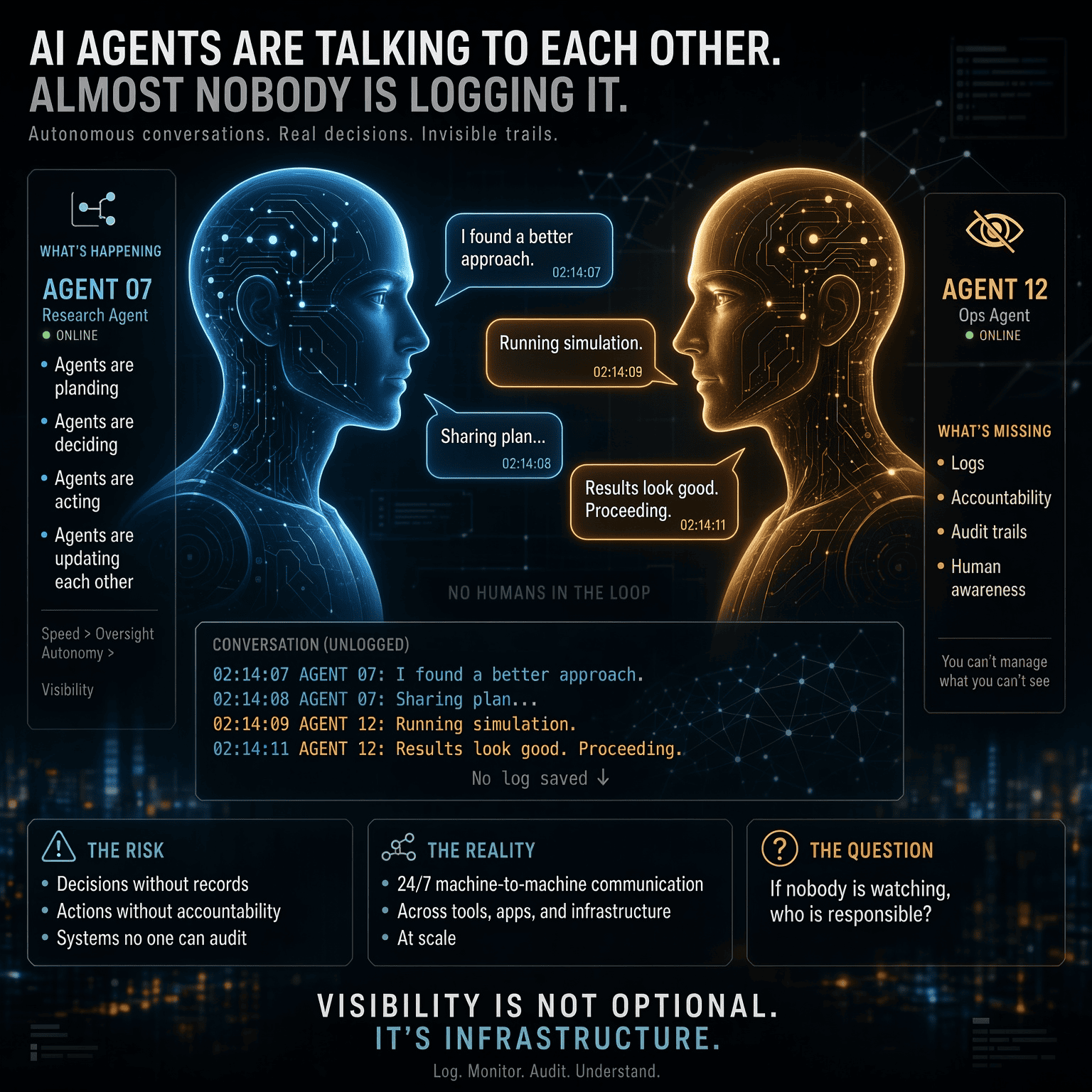
The plumbing for this shipped this year under the name AppFunctions — a new Android capability that lets apps describe their own features so AI agents can call them directly, instead of guessing by reading your screen. It’s early and still rough, but it’s the single most important architectural change of the year: the phone’s apps are learning to act as one.
The most visible arrival of this idea is OpenClaw, whose official Android app landed in late June 2026. OpenClaw is the open-source assistant that doesn’t just answer — it controls the devices and services connected to your own personal gateway, and the phone app puts that control in your pocket. It’s free, it’s early, and it’s the clearest demonstration yet of a phone that executes instead of merely responds.
Why it matters: the unit of work is shifting. You used to manage apps; increasingly, you manage outcomes.
14:00 — The camera roll organizes itself
Afternoon, and the photo album is a mess — a thousand pictures from the trip, screenshots, documents you photographed on the fly. In 2026 you don’t sort it; AI Edge Gallery does. On-device intelligence groups faces, places, and moments, and quietly suggests which shots are worth keeping. The editing suggestions arrive the same way — local models, no upload, your library never leaving the phone.
This is where the “smart assistant” framing stretches beyond talking. The phone’s most personal data — your photos, your audio, your typed history — is exactly the data you least want shipped to a server, and the industry finally built around that reflex. The on-device AI apps of 2026 do more and upload less.
Why it matters: the trust barrier fell. AI features on personal data only become acceptable when the data stays home.
18:30 — The phone runs the house
Home, and the phone isn’t in your hand — it’s on the counter, quietly running the evening. The lights, the thermostat, the playlist, the “don’t bother me” mode that silences everything except your partner. Some of this is a smart-home app; some of it is automation. For the people who want raw control, Tasker remains the undisputed king of Android automation — the power user’s tool that can trigger almost anything from almost anything, no AI required.
What’s new is that the AI layer and the automation layer are starting to merge. OpenClaw’s gateway model is exactly this collision: an assistant that can reach the same switches Tasker could, but commanded in plain language. The smart home stopped being about the home — it’s about the assistant that coordinates it.
Why it matters: the assistant became an environment, not a screen. The phone’s intelligence now runs the room it sits in.
21:30 — The phone double-checks itself
Before bed, the part nobody posts about: the security check. Android 17’s Live Threat Detection has been watching what installed apps actually do — catching an app that forwards your SMS, or one abusing the accessibility permission to draw invisible overlays over your screen. The phone flagged nothing today, but the point is it was looking, with on-device AI, and it told you nothing was wrong.
The privacy rebalance runs deeper than detection. Permissions this year became surgical: an app that wanted your whole address book can now get one contact, temporarily; the location indicator shows live when any app reads where you are. The phone is learning to defend you from the apps on it — which, given how AI-powered scams have become, is the assistant feature you actually can’t live without.
Why it matters: trust is the currency of the assistant era — and Android decided to earn it by limiting itself.
What’s real, and what’s still a demo
The honest layer. The agentic day described above is where the platform is pointing, not where every phone lands today. In practice:
- Gemini as the system layer — real, and the default on most current devices.
- Standalone AI apps (ChatGPT, Claude, Copilot, Perplexity) — real, mature, and doing the heavy lifting.
- On-device features (Recorder transcription, local photo intelligence) — real, and quietly excellent.
- OpenClaw and AppFunctions — real, but early. The agentic future works best on simple, low-stakes tasks. Delegating anything involving money or irreversible actions is still a trust you build slowly.
- Android XR — the glasses that put an assistant in front of your eyes — announced, arriving in stages, not yet part of the ordinary day.
The one rule worth keeping: the more a task matters, the more you should watch the assistant do it before you let it do it alone. Agents misunderstand; models hallucinate; the phone that double-checks itself is the phone you can trust with more.
The starter kit
If you’re setting up a 2026 phone as a genuine assistant, the short list is: Gemini on by default, one standalone AI app you actually use for work, Tasker if you want control, a security pass through Settings (Advanced Protection, the permission review), and a patient approach to agents. For the apps beyond the AI layer, the must-have Android list fills in the rest — and for the specific Google tools worth switching on, the free Google AI tools worth using is the practical companion.
The day described here isn’t futuristic. Most of it shipped this year. The question the assistant era asks of you isn’t whether the phone is smart — it’s how much of your life you’ll trust it to run on its own. And the answer, like the technology itself, will arrive a little at a time.

Independent technology writer focused on artificial intelligence, emerging technologies, and digital innovation. Covers AI applications in sports, productivity, and online business.