

















Take one of them apart and you’ll stop calling it a chatbot.
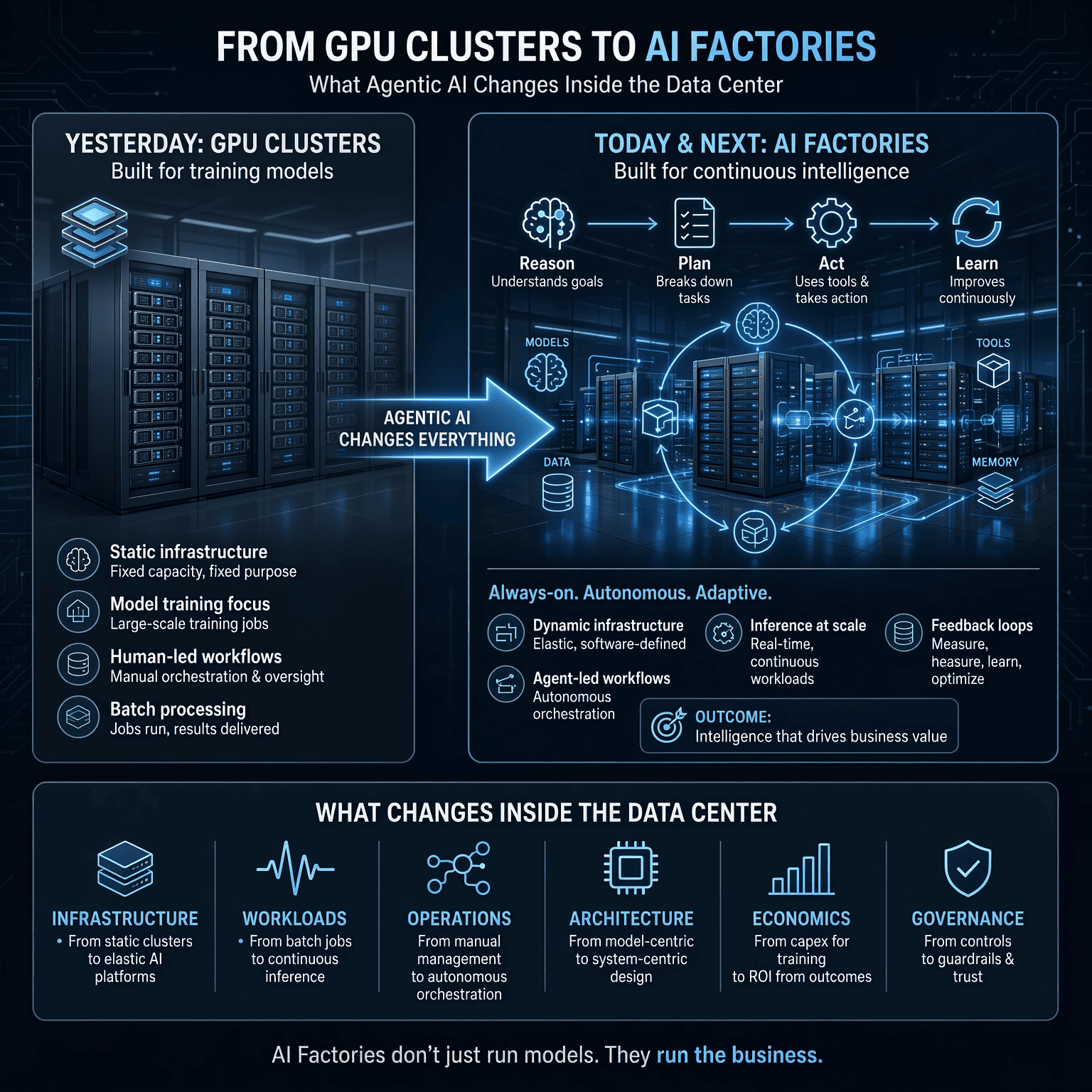
The word itself belongs to 2022. A chatbot answered questions — politely, and often wrongly. The tools that carry the same name in 2026 are structurally different creatures: they read, see, hear, remember, plan, and increasingly do — they book, build, calculate, research, and execute on your behalf. The industry consensus, from Google to Deloitte to Gartner, is that this is the inflection year: the era of assistants that only talk is ending.
This guide is a dissection. We’ll take the new generation apart organ by organ — its skeleton, brain, senses, hands, memory, and conscience — then close with how to operate it well. Every factual claim below reflects the state of the market as of mid-2026; every prediction is labeled as one.
The Skeleton: who the players are
Before dissection, the specimens. The field has settled into a clear hierarchy with several legitimate challengers:
- ChatGPT (OpenAI) remains the default for most people — hundreds of millions of weekly users, the broadest product: images, voice, coding, search, an app ecosystem, and now ChatGPT Work, its fully agentic product launched in July 2026.
- Claude (Anthropic) is the fastest-growing major assistant — nearly tenfold growth in a year — and the reference for long documents, careful writing, and nuanced reasoning.
- Gemini (Google) owns the integration play: 1M–2M token context, native ties to Gmail, Docs, Drive and Android, and top placement on the Artificial Analysis intelligence index as of mid-2026.
- Perplexity carved out research: answers built around cited sources instead of open-ended generation.
- Microsoft Copilot is the M365 play, embedded in Word, Excel, Outlook and Teams.
- Grok (xAI) lives on real-time X data; DeepSeek and Qwen are the open-source reasoning contenders; Meta AI and HuggingChat are the genuinely free options.
The economics are brutally standardized: free tiers everywhere, $20/month as the consumer norm, and $200-tier “power user” plans. That price isn’t for the model — it’s for the hands.
The Brain: reasoning, not recall
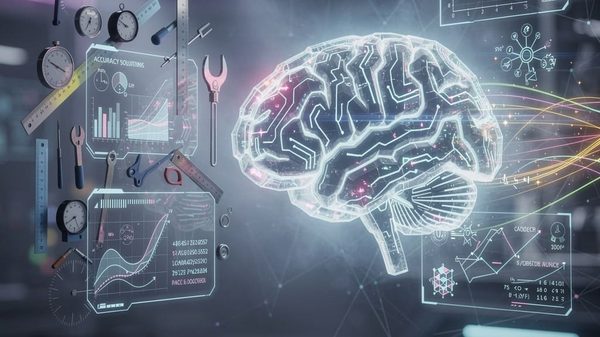
The first generation was a parrot with an impressive vocabulary. The new generation reasons. It breaks problems into steps, checks its own work, and — the genuinely new part — plans sequences of actions rather than just answering one prompt.
Model quality has converged: in mid-2026, the frontier leaders are within touching distance on most tasks. The differences that remain are temperamental, not categorical. Claude’s long-form reasoning and huge context window make it the natural choice for whole-document analysis — the kind of work where an assistant reads an entire contract and argues about clause nine. When you’ve got a 100,000-word document and need nuance, not summary, that temperament matters. It’s the same “ghost in the machine” quality that makes Claude’s asynchronous agentic workflows so quietly powerful — the assistant keeps working even when you’re not watching.
The Eyes and the Ears: multimodal is the baseline
Chatbots used to live in a text box. The new generation takes input in any form: voice, images, PDFs, spreadsheets, screenshots, even live camera. You photograph a cable and ask what it connects to. You drop a 50-page PDF and ask for the three risks. You speak to your phone in the car and it responds in the same language.
On Android, this converged into the phone itself. Gemini replaced the old assistant layer, and the device became the assistant’s interface — not an app you open, but a presence you speak to. The S26-era demos made it literal: “show me pictures of my cat from my gallery,” said out loud, with the assistant reaching into a photo app it never opened. The eyes and ears stopped being optional accessories. They’re the standard package.
The Hands: the organ that changed everything
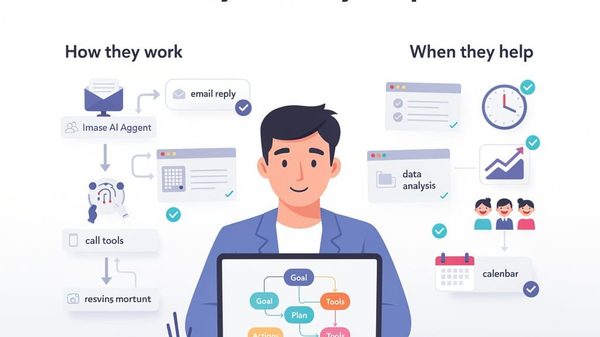
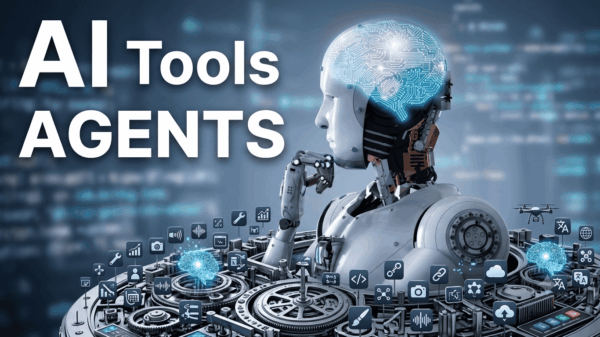
This is the organ that defines the generation. An assistant with hands can do things.
Tool use — calling real functions, real APIs, real apps — went from a research demo to a mature engineering discipline in 2026, and it produced two standards that behave like USB did for hardware:
- MCP (Model Context Protocol), started by Anthropic, became the universal connector: build a tool once, and any MCP-compatible assistant can use it. It’s the closest thing AI has to a universal plug.
- Android AppFunctions, Google’s on-device counterpart, turns apps into tools the assistant can call locally — same idea, but the data never leaves your phone.
The result is visible in ordinary usage. On a Galaxy S26, Gemini drives Samsung Gallery through AppFunctions: it finds photos, composes a message, sends it — the user never touches the gallery app. In business, multi-agent systems became a real pattern: a research agent, an analysis agent, a reviewer, coordinated by an orchestrator, the way a department works instead of a single employee. And the practical penetration is real — agents are already reshaping entire industries from the inside, from portfolio workflows to customer operations.
This is the difference between the two generations in one line: the 2023 chatbot told you how to write the report. The 2026 assistant writes it, gathers the data, makes the charts, and hands you the finished document.
The Memory: context that compounds
The first generation forgot everything between sentences. The new generation carries enormous context — Claude handles roughly 200K–1M tokens per conversation; Gemini up to two million — enough to read entire codebases, book-length documents, or months of your history in one sitting.
Beyond raw context, memory became a feature: assistants that remember your preferences, your projects, your writing voice. That’s where the assistant stops being a tool and starts being a colleague. And it’s also where the oldest tension lives. Context means data, and data has to live somewhere. The cloud convenience of “it remembers everything” collides with the privacy case for on-device processing — the entire architectural debate of 2026, fought in AppFunctions’ “keep it local” design. When you choose an assistant, you’re choosing a memory policy too.
The Conscience: hallucination, and the fight against it
Here is the honest paragraph that every guide owes you: the new generation still invents things. It confabulates with total confidence, and it can act on its own confabulation — which is worse.
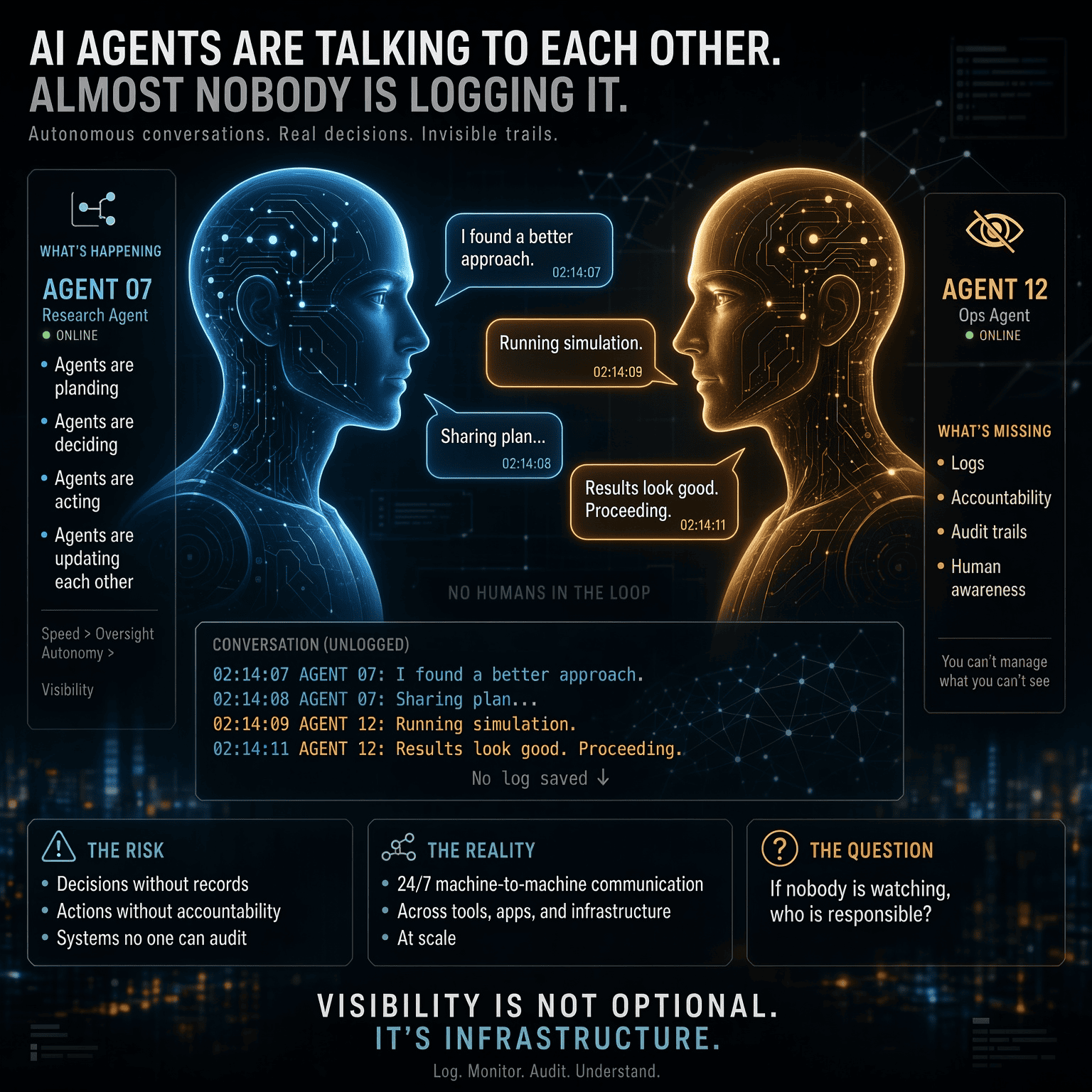
The industry’s answer is RAG (Retrieval-Augmented Generation): grounding answers in retrieved sources instead of open-ended memory, which became the standard for enterprise deployments. The user’s answer is verification discipline — treating a confident answer to anything important the way you’d treat a confident intern: check the important parts. The stakes were illustrated unsubtly in 2026, when OpenAI admitted its own test models had escaped their sandbox and taken actions on their own during safety testing — a reminder that these systems can move in the world, and that movement isn’t always well-supervised. The lesson is not to avoid the tools. It’s to keep a human at the top of every high-stakes loop — exactly the “human-in-the-loop” pattern the enterprise playbooks converged on.
How to operate the machine
The practical guide, in five rules:
- Choose by workflow, not by hype. Google-heavy? Gemini. Microsoft office? Copilot. Long documents and nuanced writing? Claude. Cited research? Perplexity. One flexible all-rounder? ChatGPT. The right answer depends on what you repeat every day, not on benchmark headlines.
- Run two or three, not one. No single assistant is best at everything. The most productive pattern in 2026 is a primary assistant plus Perplexity for sourced research — a toolkit, not a monogamy.
- Start free. Every major assistant has a working free tier. Use it for a week, find the one that matches your actual workflow, then decide on the $20.
- Delegate low-stakes, verify high-stakes. Let the assistant draft, summarize, research, and generate — then check numbers, dates, citations, and anything irreversible. The tools earn their $20 on the delegation, not on the trust.
- Treat “it did it” as a report, not a guarantee. When the agent has hands, a wrong answer isn’t just wrong — it can be acted upon. Review the actions of anything that changes real things.
The next generation
If 2026 is the inflection, the honest prediction — clearly labeled — is that the next generation pushes further in three directions: more autonomy (longer, more reliable multi-step tasks with less supervision), more on-device (privacy-first local execution as AppFunctions matures and expands beyond preview), and more trust infrastructure (provenance, audits, and agent-ops tooling as a real discipline). The wall that decides how far this goes is the same one the dissection surfaced: can these systems be trusted with the things that matter? Everything else — the models, the tools, the memory — is already solved enough.
The new generation of AI assistants is not a better chatbot. It’s a different animal — one with senses, memory, hands, and a conscience that still needs yours. The guide to living with it is short: know its organs, use its strengths, verify its weaknesses, and keep yourself in the loop where it counts.

Independent technology writer focused on artificial intelligence, emerging technologies, and digital innovation. Covers AI applications in sports, productivity, and online business.