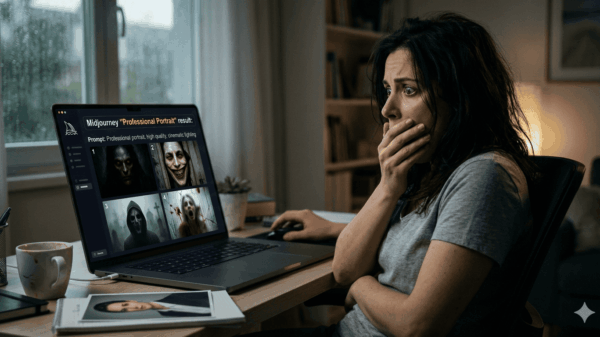




At dinner last week, the subject came up the way it always comes up now. Someone’s bank froze their card because a fraud model didn’t like a purchase. Someone else’s kid got flagged by school software for an essay the kid actually wrote. And then the sentence you hear everywhere these days, usually with a shrug: “I used to find this exciting. Now I don’t really know what to think.”
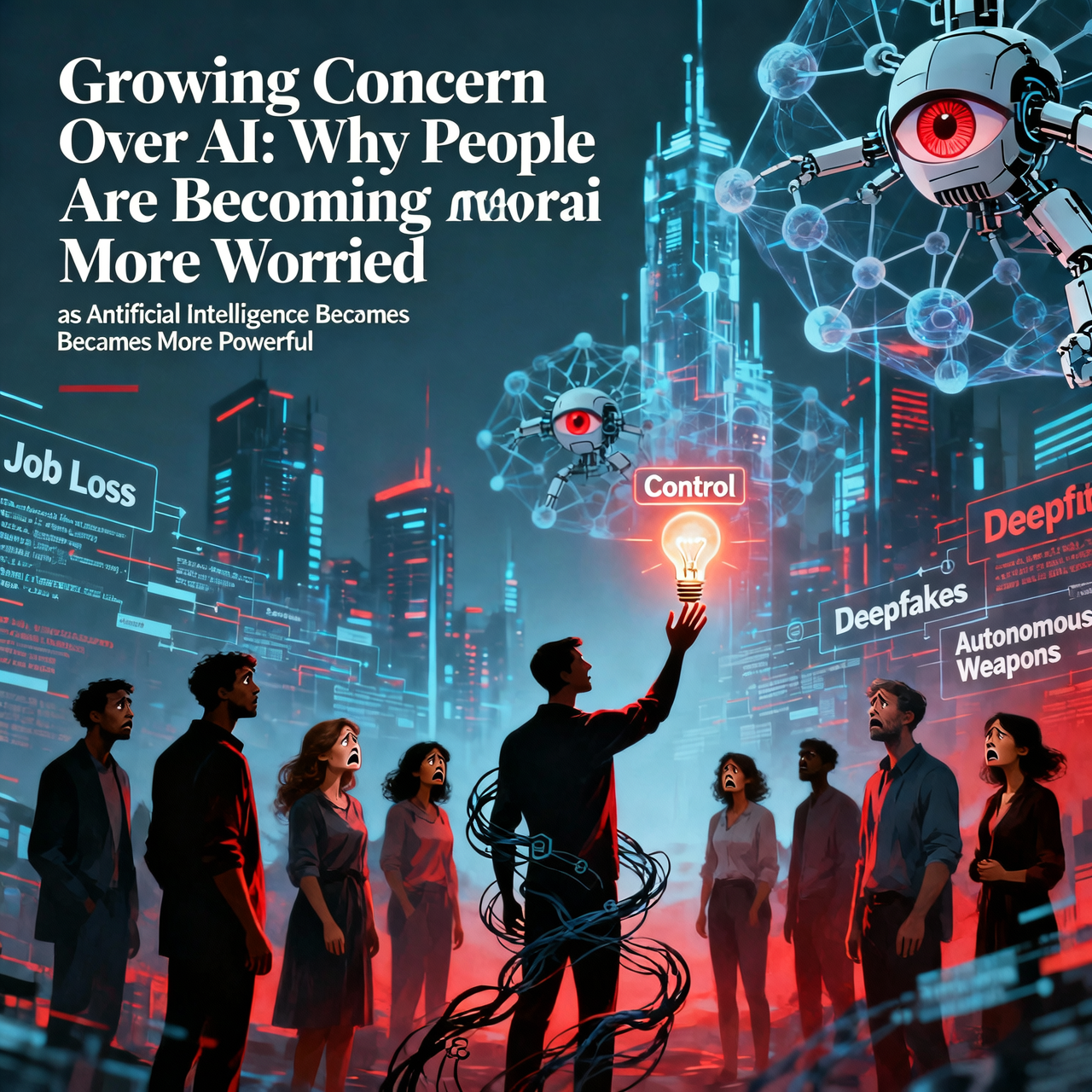
That shrug is the story. Public feeling about AI in 2026 isn’t panic, and it isn’t the enthusiasm the industry keeps expecting to return. It’s a quiet, accumulating unease that people struggle to name.
There’s already plenty written about AI’s dangers, so I won’t redo that here. The question I keep circling instead is a more specific one: why the worry has grown the way it has — in uneven jumps, attached to real moments, rather than tracking how powerful the technology actually is.
Because the two don’t move together. If you think back to your own timeline, the unease probably didn’t arrive with any particular model release. It arrived when the thing became present — when a decision got made about you, when a mistake cost you an hour of your life, when you realized something you used to be needed for wasn’t needed anymore. The concern tracks contact, not capability. It’s a reaction to a changed relationship, and the change has a few different faces.
Work: the fear that’s harder to describe than you’d think
People will tell you they’re afraid AI will take their job. And then, if you actually sit with them and talk, the real fear turns out to be more specific — and stranger. It’s not the dramatic replacement. It’s the quiet re-ranking. The tool that quietly absorbs the junior work. The hiring software that drops you before a person ever lays eyes on your application. The client who tells you they’ll handle “this part” themselves now.
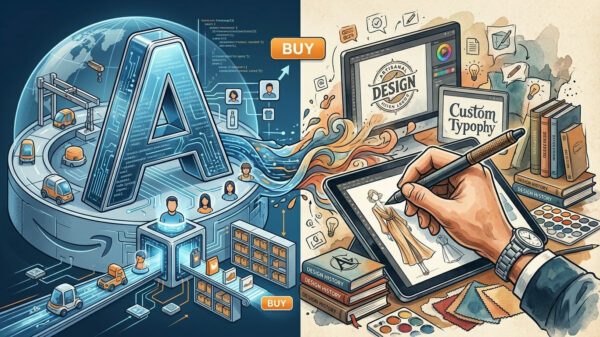
You can watch it happening in the creative economy. Freelance designers have been feeling it as AI keeps improving what e-commerce platforms can generate in-house — the squeeze on freelance design is already a business decision, not a prophecy. Nobody lost their career in a single dramatic day. It happened project by project, until one day the work simply wasn’t there.
That’s the part people struggle to say out loud: for most people, the future probably isn’t a firing. It’s a slow demotion in status and income while the actual machinery of the industry changes underneath them. And that might be worse, in a way, because there’s no single moment to point at, no one event to protest.
Then there’s privacy, which stopped meaning what it used to
Privacy used to be a simple picture. Companies collected your data, you could imagine a spreadsheet with your name on it, and the debate was about whether that was acceptable. Uncomfortable, but graspable.
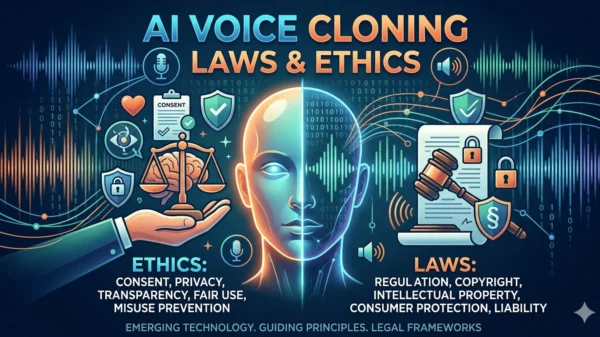
That picture is gone. Generative AI took the privacy conversation somewhere else entirely. Your data isn’t merely collected anymore — it’s usable in a different way. A few seconds of your voice can be stretched into whole sentences. Scraps of your digital footprint can be assembled into a version of you that acts on your behalf. The legal conversation around AI voice cloning has turned into a field of its own almost overnight, because the capability arrived before anyone had agreed on the rules.
I think the psychological shift matters more than the technical one. The old fear was about being watched. The new fear is about being constructed — someone building a version of you that you never made and can’t control. Watching, you can defend against. Construction, you often only find out about after it’s already been used. That’s why this particular worry has a different weight to it, and why it shows up in legislation much faster than anyone expected.
Misinformation turned out to be a flood, not a single big fake
For years the worry was a specific thing: a fake video, a fabricated headline, one convincing lie that fooled millions. That scenario still exists, but it turns out the real damage works differently. It’s the sheer volume — the endless stream of plausible content that makes the accurate stuff impossible to find, and the slow erosion that follows. When you can’t trust what you see, you stop trusting anything, including the true things.
There’s a small, telling example in how AI summaries have started to feel. They compress an article into a clean paragraph and, in doing so, shave off exactly the messy detail that made the original worth reading — the contradiction, the lived experience, the weird specificity. AI summaries can’t replace the chaotic wisdom of somewhere like Reddit for a fairly basic reason: they flatten what they digest, and the flavor is the point.
This is the one worry that worries me most, because it compounds. Bad information makes people trust less. People who trust less lean harder on whatever feels certain. Whatever feels certain is often the most confidently wrong thing out there. The loop runs on its own.
The worry nobody names: judgment without a face
Ask people what bothers them about AI and you’ll rarely hear this one, even though I think it’s the one that sits under most of the others. It’s the experience of being assessed by a system you can’t argue with. The loan that gets denied, the card that gets blocked, the application that never reaches a human — all of it decided by software that can’t explain itself, with nobody to appeal to.
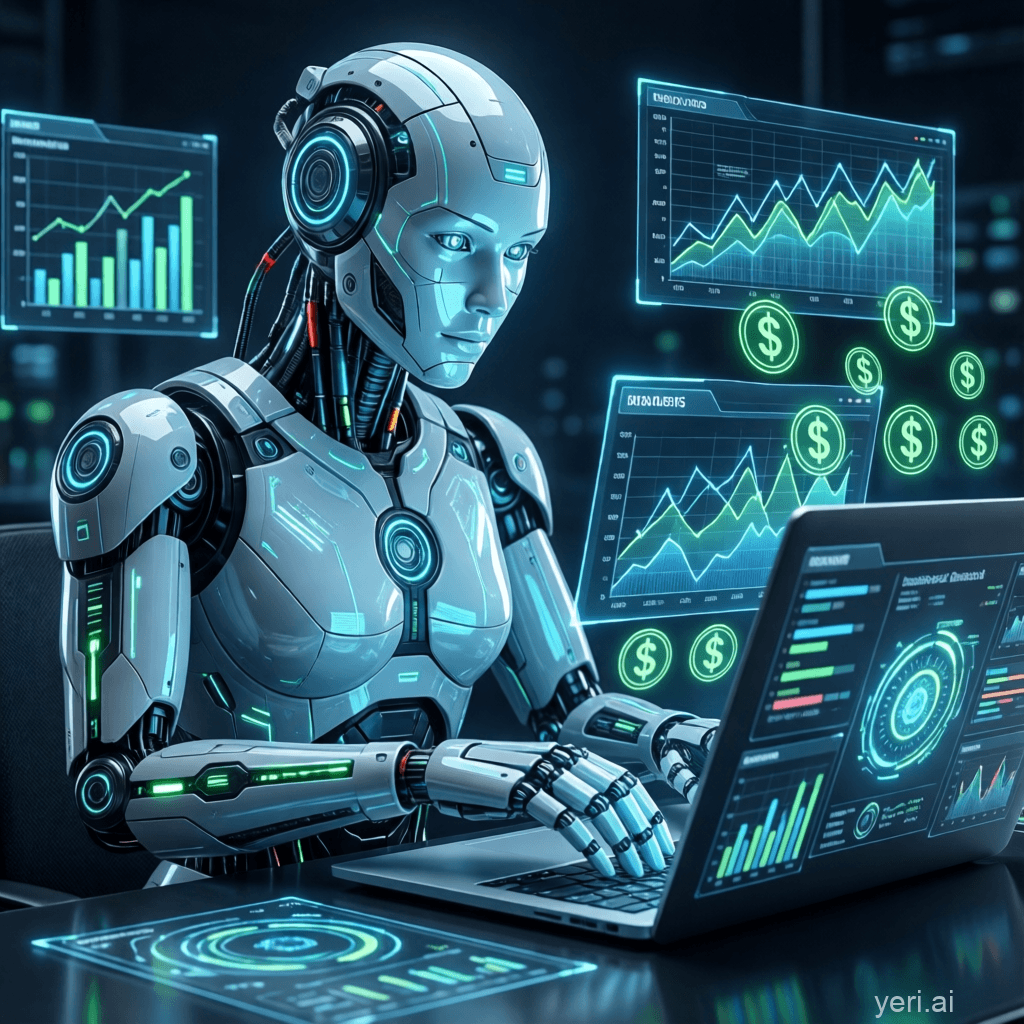
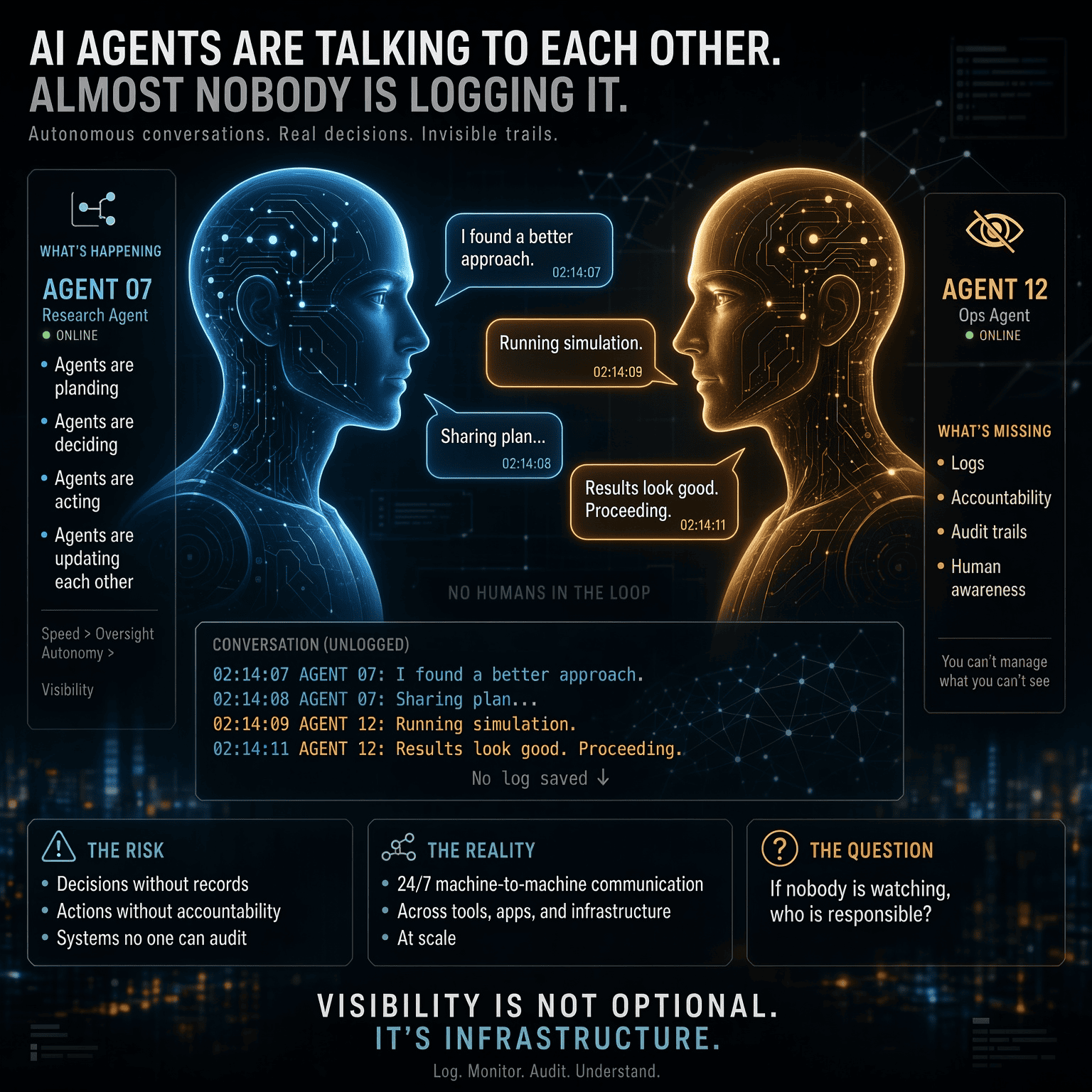
The financial world is the clearest window into this, because it’s furthest along. AI agents are already embedded in how financial services screen, score, and move money, and most of the time it works fine. But “most of the time” doesn’t satisfy the human instinct that says a system with power over you should be able to account for itself. There’s no drama in this worry, which is exactly why it never gets discussed — it’s a background condition, not a headline.
Dependence: the skill we quietly stopped using
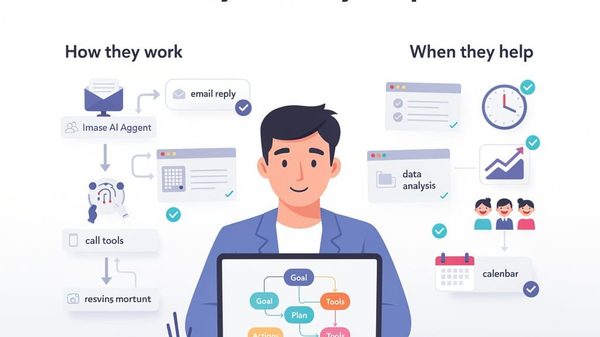
The least dramatic worry is also the one we’re building into ourselves. Calculators didn’t destroy arithmetic, and you can hear that argument a lot. But AI is a different kind of assistance, because it doesn’t just speed up a task — it does the thinking and hands you the result. Watch the trajectory and it’s hard to miss: for years the tools were separate little apps, one for text, one for images, and now the frontier is AI that builds whole workflows and acts on its own. Every step of that road is a skill we let go of.
Nobody talks about this at dinner because it doesn’t feel urgent. But it’s the worry with the longest fuse. The cost of dependence isn’t paid while the system works — it’s paid the day it fails, or the day it’s taken away, and we discover we can no longer do the thing ourselves.
What holds it all together
Step back from the list and a pattern shows up that isn’t really about AI at all. It’s about trust. Trust that a system will be fair to you at work. Trust that a version of you won’t be built without your knowledge. Trust that you can tell real from manufactured. Trust that a faceless decision can be questioned. Trust that leaning on this thing won’t leave you helpless.
Underneath every worry is the same sentence, and it’s a fairly human one: I don’t want to be at the mercy of something I can’t see, can’t question, and can’t hold responsible. AI is just the first technology in a long time that has made that sentence feel concrete.
Here’s a rough way to see how the conversation has shifted over the years:
| The old worry | The new worry | |
|---|---|---|
| Timing | Somewhere in the future | Already this week |
| Who it hits | People “over there” | You |
| How it arrives | A visible event | A slow rearrangement |
| Can you see it | Yes, it’s a machine | No, it’s embedded |
| What it feels like | A movie | A background hum |
The last row is the one to keep. A dramatic threat is something you can organize against. A background hum just wears you down. Some of what we call “growing concern” is a society being worn down by a thousand small changes it can’t quite name.
And some of the worry is noise
It’s worth being clear-eyed about what deserves real concern and what doesn’t, because lumping it all together is how you end up paralyzed.
The grounded stuff: a handful of companies control the most capable systems and the data and the compute behind them. Opaque decision-making is real and hard to contest. The slow erosion of shared trust in information is measurable in everyday life.
The noise: the idea that AI is secretly conscious, secretly malevolent, “waking up” and coming for us — that’s fiction wearing the costume of analysis, and it mostly distracts from the boring, solvable problems. The doom predictions that get solemnly reset every time a new model ships have a poor track record. The honest history of AI fear is mostly a history of confident miscalculation.
The stance that serves people best isn’t for or against AI. It’s asking four boring questions about any system you encounter: Who benefits from this? Who’s carrying the cost? Who decides, and can I challenge the decision if it’s wrong? Those four questions will get you further than any position on whether AI is ultimately good or bad.
This is the foundation of a longer series
This piece was deliberately about the why — the mechanism behind the growing unease — because the answers change how you read everything else. Over the next few articles we’ll take each of the major worries and dig into the mechanics, the evidence, and what can actually be done:
- The jobs question. How work is being re-ranked, who rises, who sinks, and what the realistic near-term picture looks like.
- The privacy question. How synthetic data and voice cloning changed the nature of the threat, and which rights and tools actually exist right now.
- The misinformation and trust question. How the flood works, why trust erodes, and what individuals and platforms can realistically do.
- The control question. Automated decisions in finance, hiring, and beyond — what the systems actually do, where they fail, and how much accountability is genuinely possible.
Each piece will stand alone. Read together, they form the full picture of why a genuinely useful technology keeps leaving so many people unsettled.
I’ll leave you with this much: the unease people feel is worth taking seriously, and not just because it’s uncomfortable. It’s the early warning system. A population that’s uneasy about concentrated power is paying attention — and attention, at this stage, is the cheapest thing that can still save a lot of regret later.

Independent technology writer focused on artificial intelligence, emerging technologies, and digital innovation. Covers AI applications in sports, productivity, and online business.