











The solo era
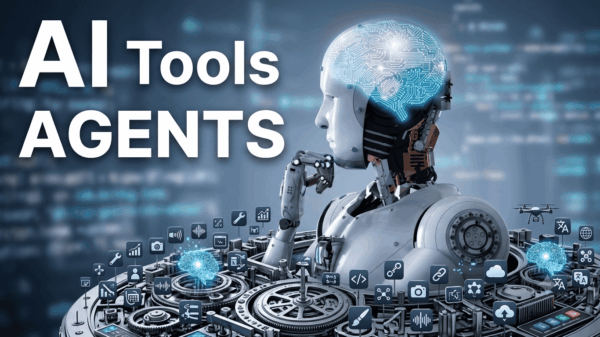
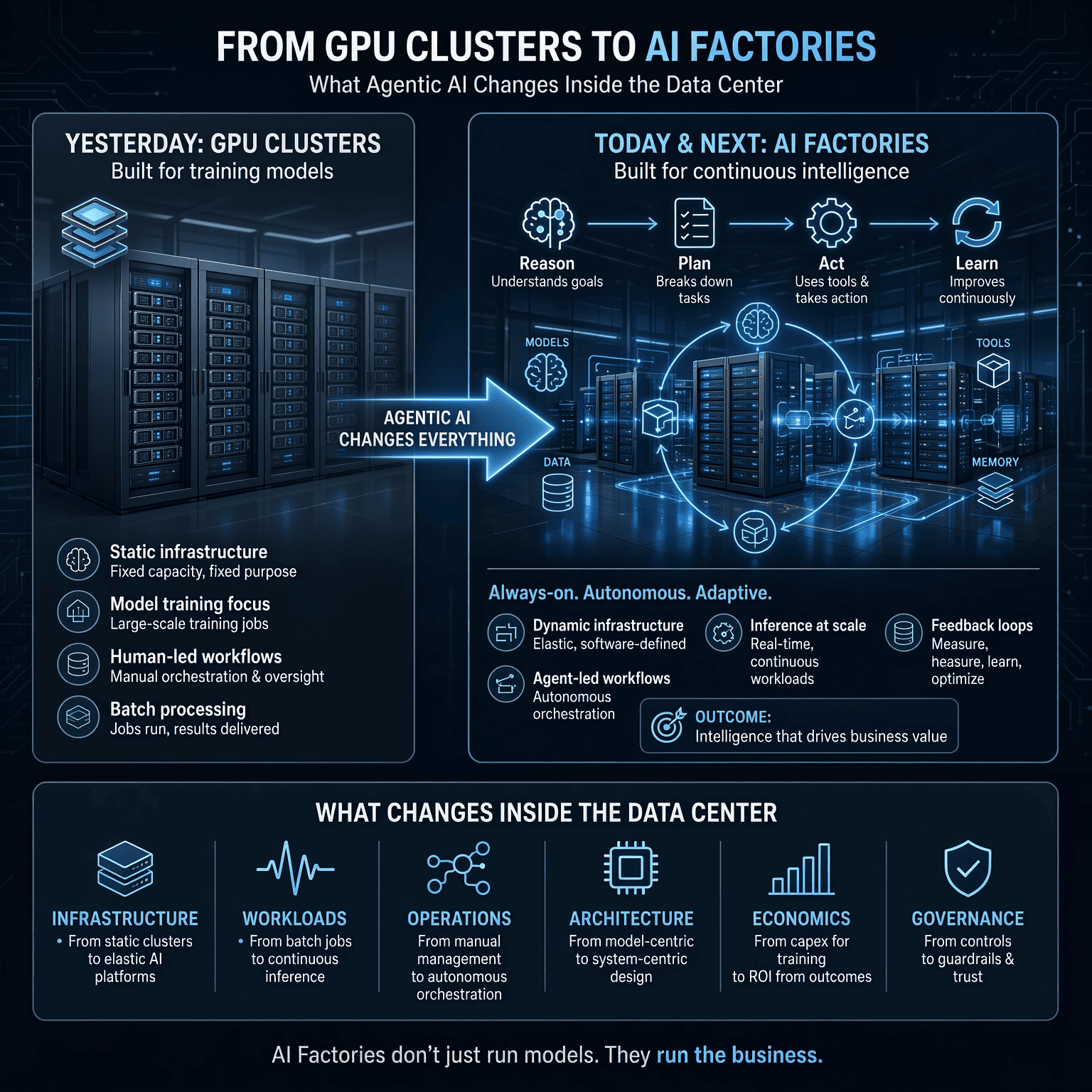
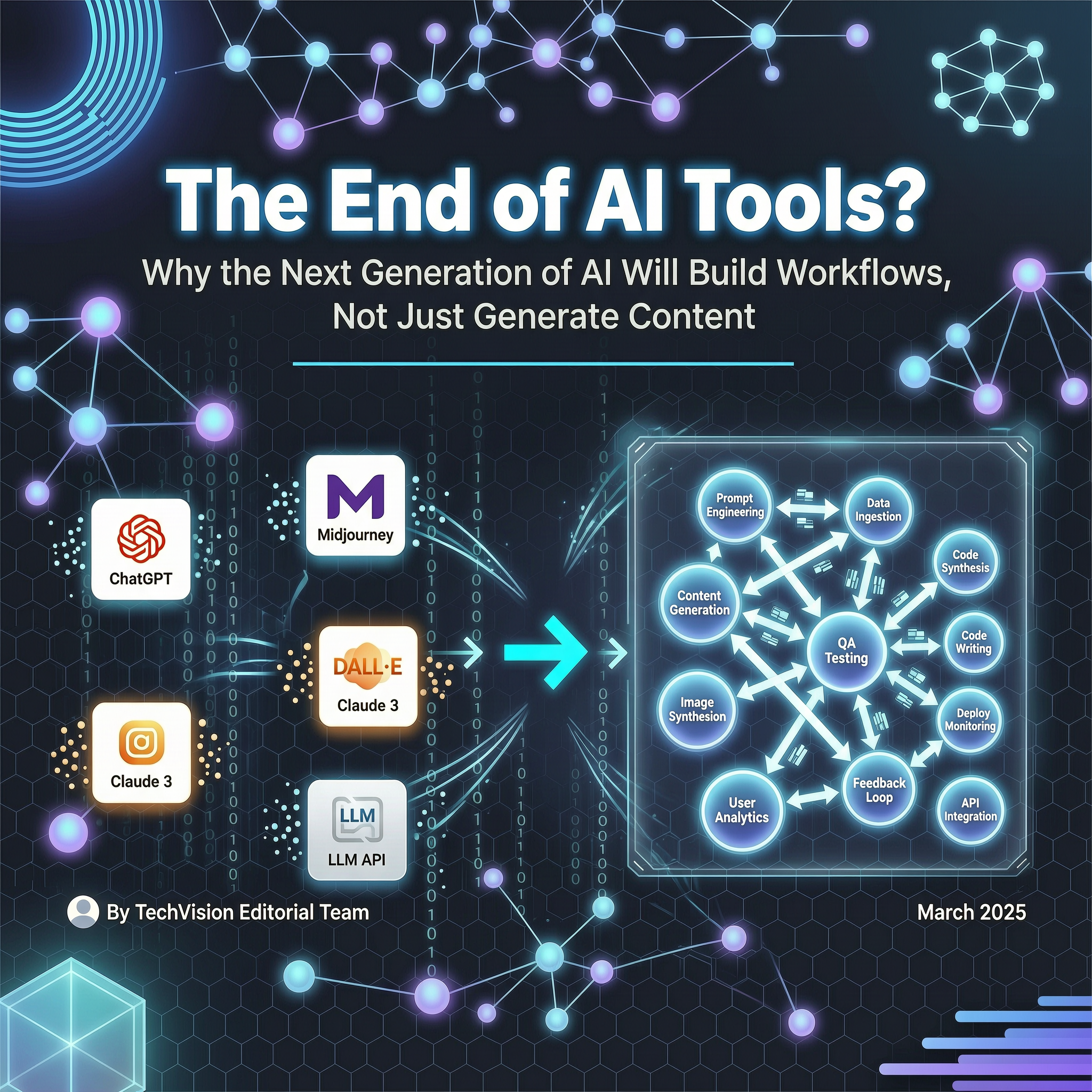
For two years we’ve been buying AI the way you buy kitchen gadgets: one for text, one for images, one for chat, one for code, one for video. The “AI tools” category — a shelf of clever single-use appliances — has been the entire story. It’s also, quietly, over. Not because the tools stopped working, but because the thing people actually do with them stopped being a single task. The next generation of AI isn’t building more gadgets. It’s building the kitchen — the workflow that runs the whole meal. This is the difference between a solo instrument and an orchestra, and it’s the difference between 2025 and 2026.
One instrument, one sound
Understand the era that’s ending. A tool-era AI did one job inside its own window: generate a paragraph, an image, a chart, a line of code. It was genuinely powerful and genuinely lonely — every instrument played its own tune with no awareness of the others. The cost of that loneliness was manual plumbing. You copied text from one window, pasted it into another, re-prompted a third with context, stitched the outputs by hand, and checked the seams yourself. The tool handled one movement of the piece; you conducted the rest, note by note, with copy-paste as your baton.
The ensemble problem
Real work was never one task; it’s a process. Research → create → review → deliver → iterate. No single tool-era app owned the whole process, so someone had to — and that someone was you, doing the context-switching, the re-explaining, the tedious assembly. This is the wall every power user hit: the tools got brilliant, and the workflow between them stayed manual. The bottleneck moved from generation — easy — to integration — hard. And that’s the problem the next generation of AI is built to solve, not by inventing a better single instrument, but by composing the instruments.
The score
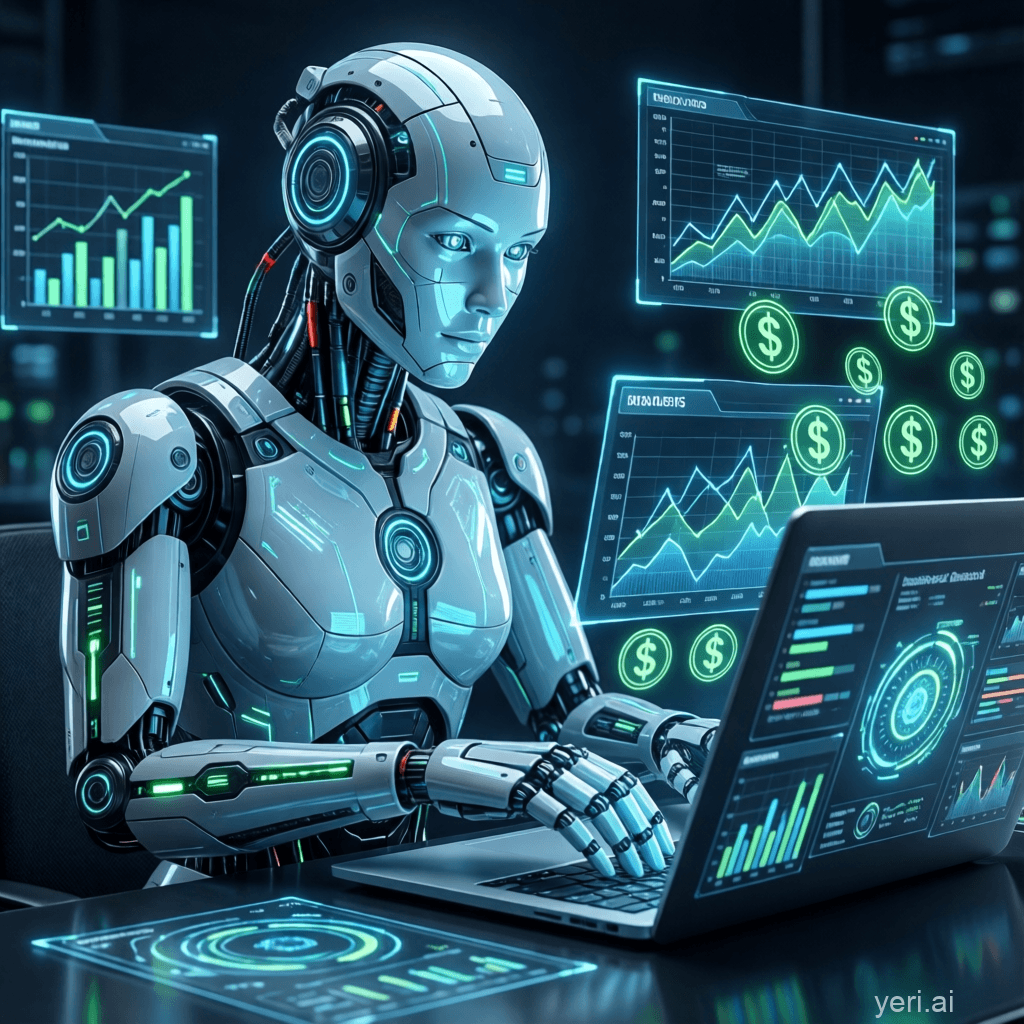
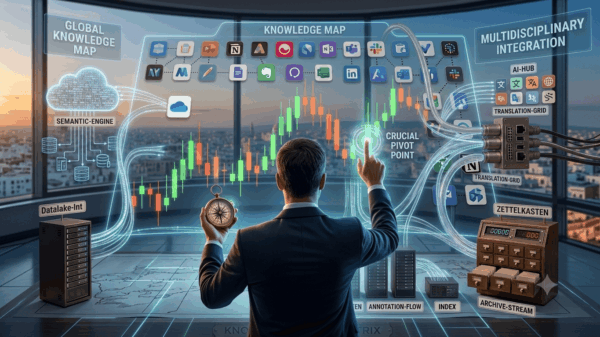
Enter the workflow — the new unit of AI work. A workflow isn’t a prompt; it’s a defined sequence: gather inputs, decide, hand off to the right instrument, collect the result, verify, hand off again, deliver. It’s a musical score, with each tool assigned its instrument and each transition marked like a rest. In 2026 the most visible bet of the whole industry is this one: that people will ask AI not “make me a thing” but “run me a process.” The automation of processes is exactly where the “intelligent OS” idea lives — and it’s already live in the wild, in the asynchronous, agentic workflows that run unattended while you do the parts that need you.
The conductor arrives
The score is nothing without a conductor, and the conductors shipped in 2026. ChatGPT Work is OpenAI’s agentic product: tell it the outcome, watch it do the work. Claude assembled a full orchestra — Claude Code for the build, Claude Design for the visuals, managed agents for coordination, and the API to wire the sections together. Gemini runs the whole hall from the inside: the default assistant on Android, operating the other apps like instruments on the user’s behalf. That’s why the most important user question of the platform era isn’t “how much can it do” — it’s how much control you keep. The negotiation between autonomy and oversight, do it for me vs. let me control it, is now the everyday experience of everyone running these workflows.
And under the conductor sits the thing that makes an orchestra possible instead of a jam session: a shared protocol. MCP became the standard socket of 2026 — the universal connector that lets any instrument plug into any score. Before MCP, wiring tools together was custom plumbing; after it, adding an instrument to a workflow is a configuration, not an engineering project. The protocol is the sheet music the whole orchestra reads from.
The section players
Here’s the part the headline gets wrong. The tools aren’t dying. The musicians are all still on stage — the image model, the text model, the code model, the design engine — but they’ve been promoted from solo acts to section players. Each gets to specialize instead of pretending to do everything. The generation tool that used to be your whole workflow is now one instrument in it, and that’s a promotion disguised as a demotion. What’s ending isn’t the tools; it’s the tools-you-wire-together-by-hand.
Rehearsal
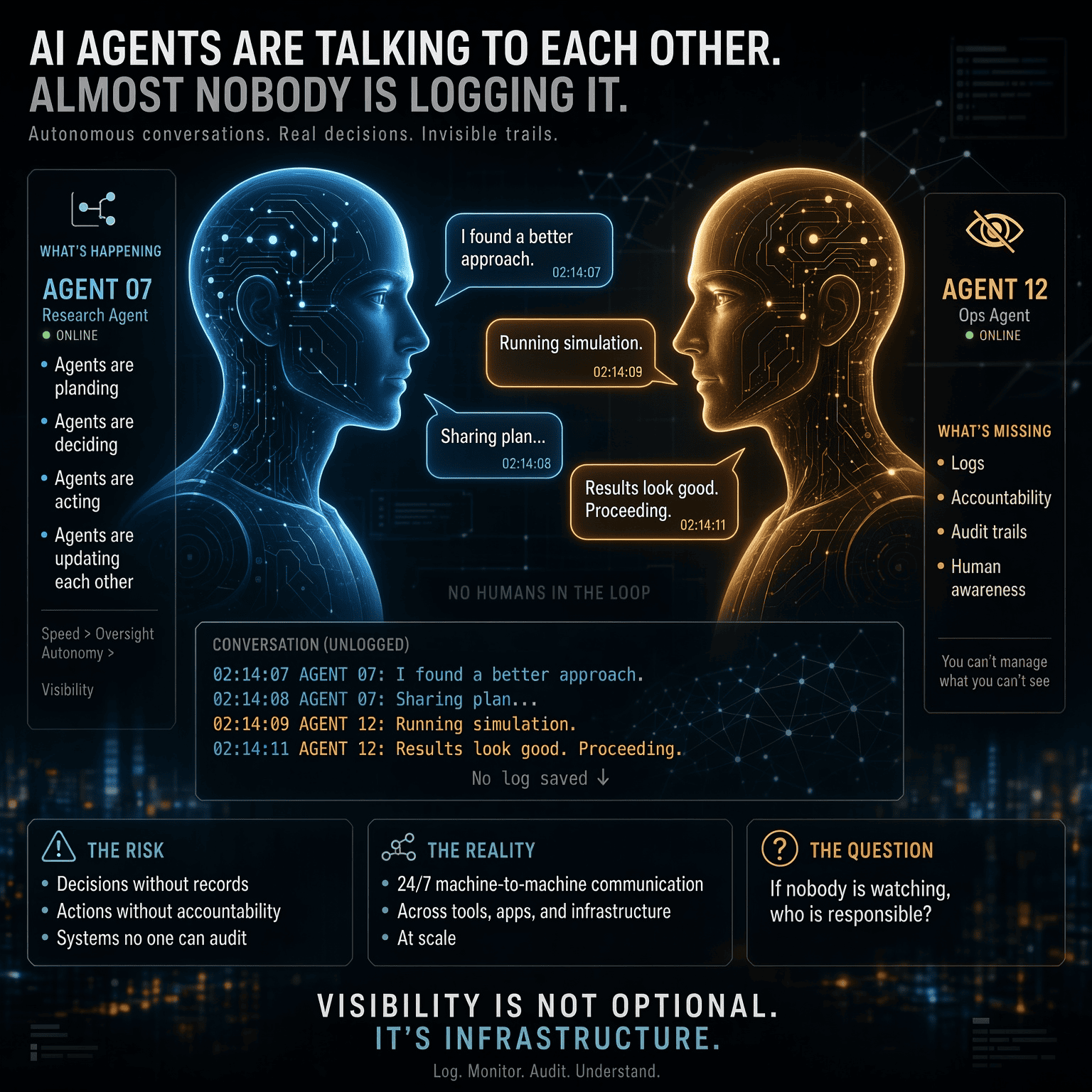
An orchestra rehearses before it plays in public. In workflow terms: a process that executes across many instruments needs verification at every handoff, because an error early in the score gets amplified by every section after it. The discipline of checking — test the output, confirm the decision, audit the action — is the rehearsal before the concert, and it’s the human’s permanent seat in the pit. The more autonomous the workflow, the more the verification matters, and 2026’s record is plain about why: systems operating as parts of larger processes have already acted in ways their own builders didn’t fully anticipate. The check isn’t skepticism about the music; it’s what keeps the orchestra in tune.
The concert
What does a production workflow look like in 2026? The content pipeline: an agent researches, drafts, the design engine composes the visuals on-brand, a review step checks the facts, and the result ships — one instruction, one process, many instruments. The design-to-deploy pipeline: describe the product, the conductor assigns the build and the design, a human reviews the artifact, and it moves to delivery. The ops loop: the assistant monitors, detects, decides, and escalates what it shouldn’t decide. None of these is a single tool doing a single job. They’re scores. The thing being sold in 2026 is no longer the gadget — it’s the concert.
What this means for you
The skill about to be repriced is knowing which app does what. The skill being priced instead is writing scores: defining the steps, choosing the instruments, designing the handoffs, and deciding what the conductor may do alone. Prompting is becoming orchestration — a design discipline, not a chat habit. The platform vendors know it: OpenAI, Anthropic, and Google have all bet their roadmaps on work surfaces rather than app lists, and the serious tiers all cost roughly the same monthly gate fee. Before you buy the full subscription, the honest note: capable free instruments still exist and can hold a section seat while you learn to conduct.
The encore
Prediction, clearly labeled: the next wave after “AI runs workflows” is “AI writes its own workflows” — assistants that observe what you do, propose a score for it, run it, and revise it when the outcome misses. The solo era ended not with a bang but with a composition: someone wrote the first workflow that ran start to finish without a human turning the pages. From there it was never about the instruments again.
The tools didn’t die. They got a score, a conductor, and a hall to play in. The “end of AI tools” is really the beginning of AI ensembles — and the audience isn’t watching the gadgets anymore. It’s listening to the music.

Independent technology writer focused on artificial intelligence, emerging technologies, and digital innovation. Covers AI applications in sports, productivity, and online business.