















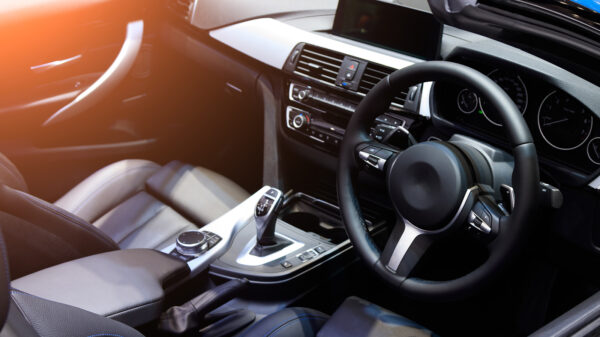













In addition to reviewing vehicles for years, I’ve been testing AI products for anything from trip planning to car diagnostics for the past two years. When I got behind the wheel of the GLB250, I wasn’t only interested in how it drove; I also wanted to know how intelligent it was and whether or not adding additional AI tools improved ownership.
In Mercedes’ lineup, the GLB250 occupies an odd position. There are more luxurious and powerful Mercedes-Benz models available. But in 2026, a car’s worth is determined by how well the AI functions both inside and outside of it, not simply by its horsepower and leather upholstery. The integrated AI technology, the useful driver assistance, and the third-party AI solutions that make the GLB250 a more intelligent car to drive are the main topics of this review.
The GLB250 at a Glance — Where It Fits and Where It Stands Out
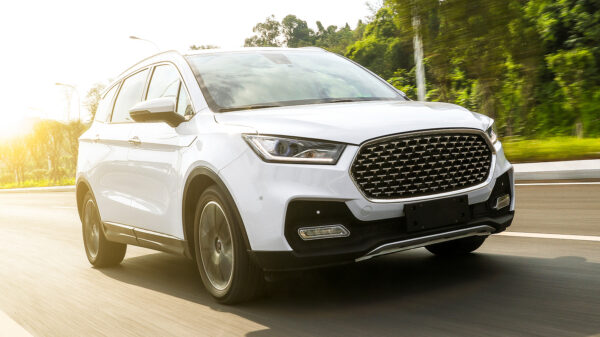
The GLB250 starts around $43,800 and fills the gap between the GLA (too small for most families) and the GLC (more expensive). Its boxy shape is intentional — it creates real headroom and cargo space that sleeker competitors sacrifice for style.
What you get for the price: a 2.0-liter turbo four with 221 horsepower, a mild hybrid system, front-wheel drive standard (4MATIC optional), and seating for up to seven if you add the third row. It’s not fast, but it doesn’t try to be. It’s comfortable, practical, and carries the three-pointed star badge that still means something to many buyers.
But the real story in 2026 isn’t the engine. It’s the technology packed into that boxy frame.
AI Inside the GLB250 — Mercedes’ Smartest Tech
MBUX: The AI That Learns Your Habits
Mercedes’ MBUX system (Mercedes-Benz User Experience) runs on artificial intelligence. Not in a marketing-gimmick way — it genuinely learns how you use the car and adapts. For a deeper technical breakdown, our MBUX Virtual Assistant deep dive covers the multi-engine AI architecture powering it.
The “Hey Mercedes” voice assistant understands natural language better than most car voice systems I’ve tested. You don’t need to memorize commands. Say “I’m cold” and it raises the temperature. Say “find a gas station” and it shows nearby options. Say “take me home” and it starts navigation without asking for an address.
What impressed me most is the predictive component. After a week of driving, MBUX started suggesting my usual destinations before I asked. It learned that I adjust the seat heat every morning at 7 AM. It remembered the radio station I only listen to on weekends. These are small things, but they add up to a car that feels like it knows you.
Driver Assistance: How AI Watches the Road for You
Active Brake Assist, Blind Spot Monitoring, and Rear Cross Traffic Alert are standard on the GLB250. The optional Driver Assistance Package includes adaptive cruise control, lane-keeping assist, and evasive steering help.
Instead of relying merely on rigid automated characteristics, the system adapts dynamically. Over time, the adaptive cruise control learns your preferred following gap in addition to maintaining space. Unlike previous systems, the lane-keeping assistance does not “ping-pong” you between lane markings. It makes seamless, human-like adjustments using AI models that have been trained on actual driving data.
I tested the system during a five-hour highway trip and engaged the adaptive cruise for about 80% of the drive. It handled traffic changes, merging cars, and sudden slowdowns better than some Tesla systems I’ve used. The only downside: it’s overly cautious with stopped vehicles ahead, braking earlier than necessary.
Augmented Reality Navigation — GPS Meets AI
This is my favorite AI feature in the GLB250. When navigating, the central screen shows the forward camera view with directional arrows, street names, and lane recommendations overlaid directly onto the live video.
It sounds gimmicky, but it solves a real problem. In complex intersections or unfamiliar cities, you don’t look at a map — you follow arrows painted on the actual road in front of you. The AI behind this processes the camera feed in real time, identifies lane markings and road signs, and projects the navigation instructions at exactly the right position.
AI Tools Every GLB250 Owner Should Try
The GLB250’s built-in AI is good, but the ecosystem of third-party AI tools makes the ownership experience genuinely better. Here are the ones worth your time:
AI Trip Planners for Long Drives: Google Maps with its AI-powered arrival time predictions is obvious. But for road trips, I prefer Roadtrippers or inRoute, which use AI to optimize routes based on your driving style, fuel stops, and preferred road types. The GLB250’s mild hybrid system means fuel efficiency varies noticeably with driving conditions. AI trip planners that factor in elevation changes, traffic patterns, and even wind direction can save you 5-10% on fuel over a long trip.
AI Car Diagnostic Apps: Your GLB250 already monitors its own systems, but third-party diagnostic apps add a layer of insight. Apps like BlueDriver and Car Scanner ELM use an OBD-II adapter and AI to interpret error codes in plain English. These apps tell you exactly what the dashboard error code means, how urgent it is, and whether you can keep driving, saving you a costly diagnostic fee at the dealership.
AI Parking Finders: Parking in crowded cities is stressful. AI parking apps like ParkWhiz and SpotHero predict parking availability based on historical data, events happening nearby, and real-time occupancy reports.
AI Dashcams with Real-Time Alerts: Modern dashcams like the Nextbase 622GW and Garmin Mini 2 use AI to detect potential collisions, distracted driving, and even police sirens, adjusting recording priority based on what’s happening around the car.
For a full roundup of the best car apps every driver should install, that guide covers more tools that pair well with the GLB250.
Does the GLB250 Keep Up With Tesla and Audi’s AI?
Tesla’s AI is undeniably more advanced in autonomous driving and over-the-air updates. Audi’s latest MIB 3 system has a cleaner interface and a faster processor.
Where the GLB250 holds its own is in the balance between AI and daily usability. Tesla sometimes feels like the AI exists just to show off. Mercedes’ approach is more conservative — the AI works quietly in the background, and you don’t notice it until it saves you from a bad turn or adjusts the climate before you even ask. That’s what most premium owners actually want.
Conclusion
With a premium nameplate, the Mercedes-Benz GLB250 fulfills its promise of compact practicality. MBUX, adaptive driver assistance, and augmented reality navigation are just a few of the AI features that perform dependably and improve everyday driving without overpowering you.
The gaps left by the car are easily filled by adding third-party AI technologies for dashcam recording, parking, route planning, and diagnostics. When combined, they produce an ownership experience that is truly more intelligent than the sum of its parts.
For a different take on the AI-powered SUV experience, the Volkswagen Atlas review covers how Google’s native Android Automotive system compares to Mercedes’ approach.
Frequently Asked Questions
Q: Does the Mercedes GLB250 have AI? A: Yes. The MBUX infotainment system uses AI for voice recognition, predictive navigation, and learning driver habits. The driver assistance features also use AI models for smoother operation.
Q: Is the GLB250’s MBUX better than Tesla’s system? A: For daily usability, MBUX is more intuitive. Tesla’s system is more powerful with better over-the-air updates, but it has a steeper learning curve for traditional drivers.
Q: Can I add AI tools to my GLB250? A: Yes. OBD-II diagnostic apps, AI trip planners, and AI dashcams all work perfectly with the GLB250 and add capabilities the car doesn’t have built-in.
Q: Does the GLB250 have self-driving features? A: No full self-driving. It has Level 2 driver assistance (adaptive cruise control + lane centering) that works exceptionally well on highways but requires constant driver supervision.

Independent technology writer focused on artificial intelligence, emerging technologies, and digital innovation. Covers AI applications in sports, productivity, and online business.