























MEMORANDUM — INTERNAL
TO: Engineering, Product, Legal, Marketing, Finance, Sales, HR, Operations, Developer Programs
FROM: AI Deployment Office
DATE: April–August 2026
STATUS: For circulation — reconstructs NVIDIA’s GPT-5.5 rollout from NVIDIA’s own blog, OpenAI’s launch materials, and published reporting. Unverified internal details are flagged where they appear.
1. Executive summary
In late April 2026, NVIDIA put a GPT-5.5-powered Codex in the hands of more than 10,000 employees — spanning engineering, product, legal, marketing, finance, sales, human resources, operations, and developer programs. CEO Jensen Huang’s internal directive was blunt: “Let’s jump to lightspeed. Welcome to the age of AI.” His framing of the shift, quoted repeatedly in NVIDIA’s materials: “Chatbots answer questions. Agents do work.”
This memo explains what was deployed, what the departments actually got, which numbers are verified, and — most importantly for every other company — how a non-technical team can copy the pattern.
2. The backstory: a model built for work, not chat
The deployment rests on GPT-5.5, OpenAI’s frontier model released April 23, 2026, under the tagline “a new class of intelligence for real work.” The model was positioned around three capabilities: agentic coding, knowledge work, and scientific research. On the API, it costs $5 per million input tokens and $30 per million output tokens, carries a 1-million-token context window, and its evaluations across 44 occupations (GDPval, 84.9%) explicitly cover roles like financial analysts, HR specialists, marketing managers, and legal assistants — which is precisely why NVIDIA’s rollout went beyond engineering.
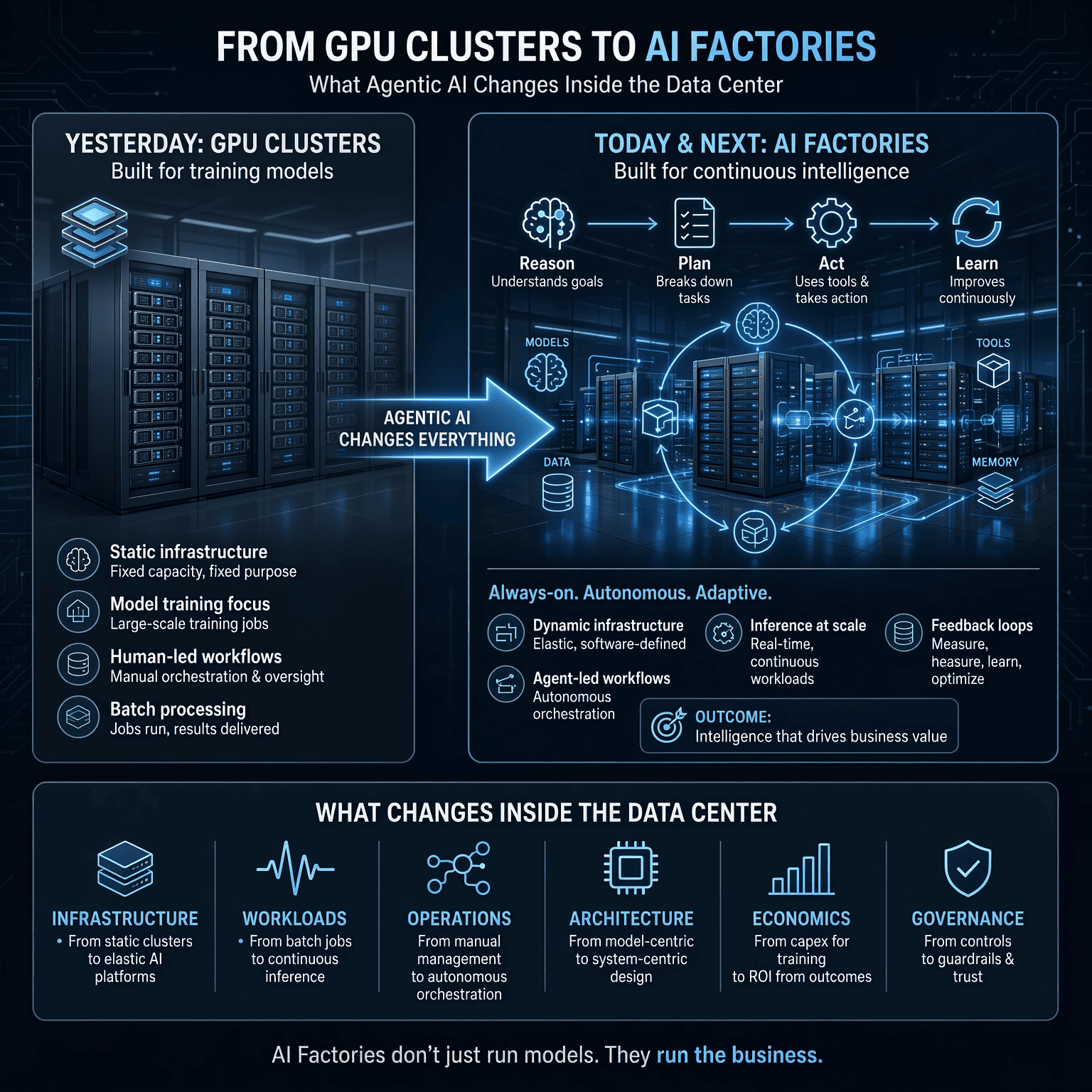
The infrastructure angle matters too: NVIDIA’s own blog, published in August 2026, confirms the Codex deployment runs on NVIDIA GB200 NVL72 rack-scale systems, the same class of hardware the company sells to the world. NVIDIA is, in effect, eating its own dog food at a scale of a 100,000-GPU cluster.
3. The rollout: from the lab to the whole company
Before the public launch, NVIDIA and OpenAI established a Codex Lab at NVIDIA headquarters to wire GPT-5.5-powered Codex directly into internal workflows. Early access then expanded — over 10,000 employees in virtually every department, not just the people who write code. The engineering teams went first, and NVIDIA reports the results its engineers called “mind-blowing” and “life-changing”:
- Debugging cycles that stretched across days now close in hours.
- Multi-file experiments that took weeks become overnight progress.
- Features ship end-to-end from natural-language prompts.
4. Departmental notes — what each function actually uses it for
This is where honesty matters, because the public record is uneven. NVIDIA confirmed which departments were included; it did not publish a full playbook for each one. Here is the verified picture:
- Engineering & Product (verified, NVIDIA): code generation, debugging, test work, documentation, and shipping features from prompts. The strongest, best-documented use.
- Finance (verified examples from OpenAI’s own deployment, not NVIDIA’s): a document-heavy workflow that reviewed 24,771 K-1 tax forms totaling 71,637 pages while explicitly excluding personal information — completed in hours rather than the roughly two weeks of human labor it previously took. NVIDIA’s finance specifics were not detailed in the announcement, but the pattern — spreadsheet analysis, report generation, document review — is the same one showing up across enterprise finance, and it’s consistent with what agentic AI is already doing across financial services this year.
- Marketing & Go-to-Market (verified examples from OpenAI’s internal use): one employee automated their weekly business report generation and saved 5 to 10 hours per week. NVIDIA’s marketing specifics remain undisclosed.
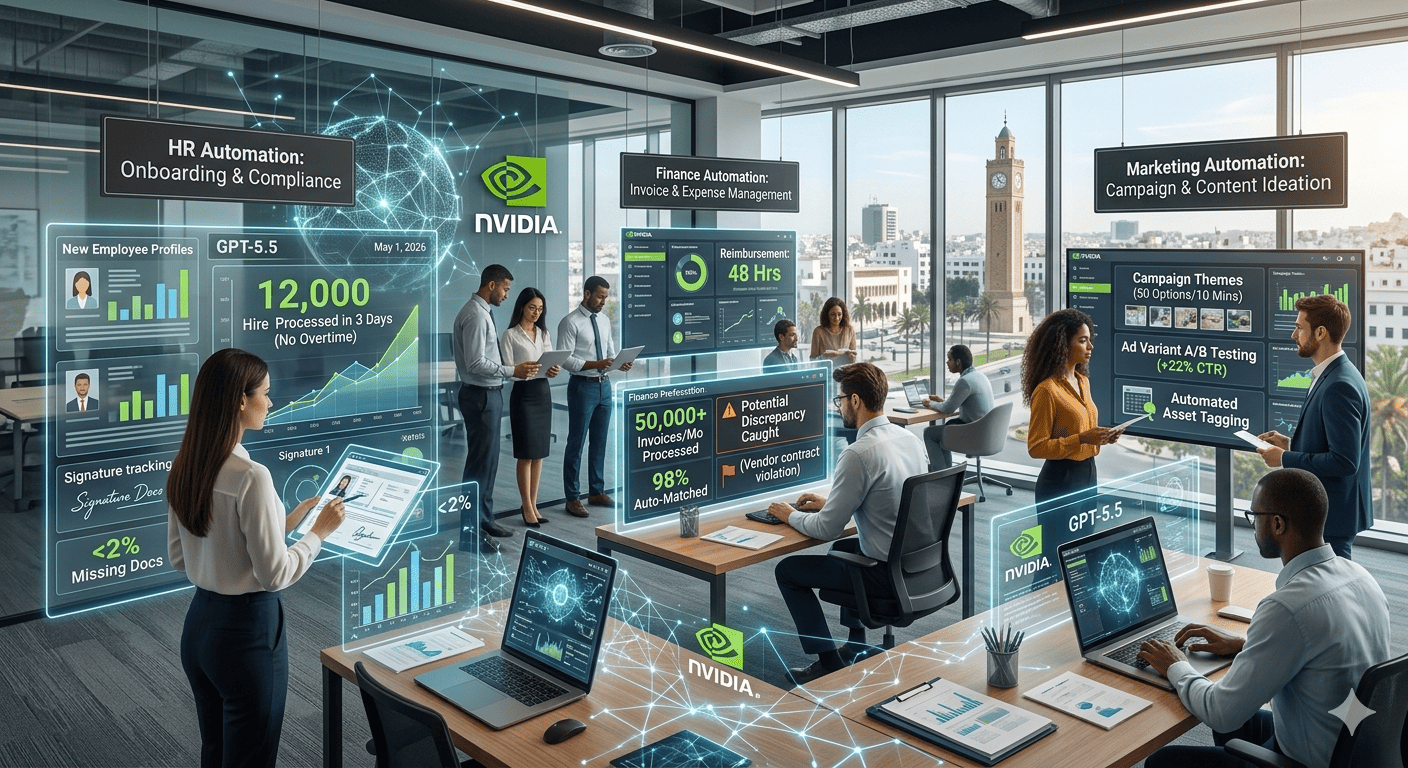
- HR & Legal (rollout confirmed; specifics not published): NVIDIA lists both departments among the 10,000, and analysts infer document analysis, data processing, and automation tasks rather than code writing — but no official per-team details exist yet. Treat any specific “HR automation” claim about NVIDIA itself as unconfirmed.
5. The “no technical skills” part, honestly
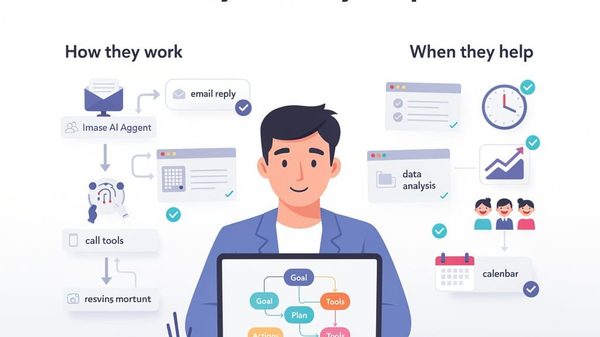
The phrase needs precision. No one at NVIDIA “pressed a button labeled make HR work.” What actually changed is the interface between human and work: an employee describes an outcome in natural language, and the agent — not a chatbot — plans, uses tools, executes, and reports back. That’s why non-engineering departments can participate without writing code: the agent is the programmer; the employee is the supervisor.
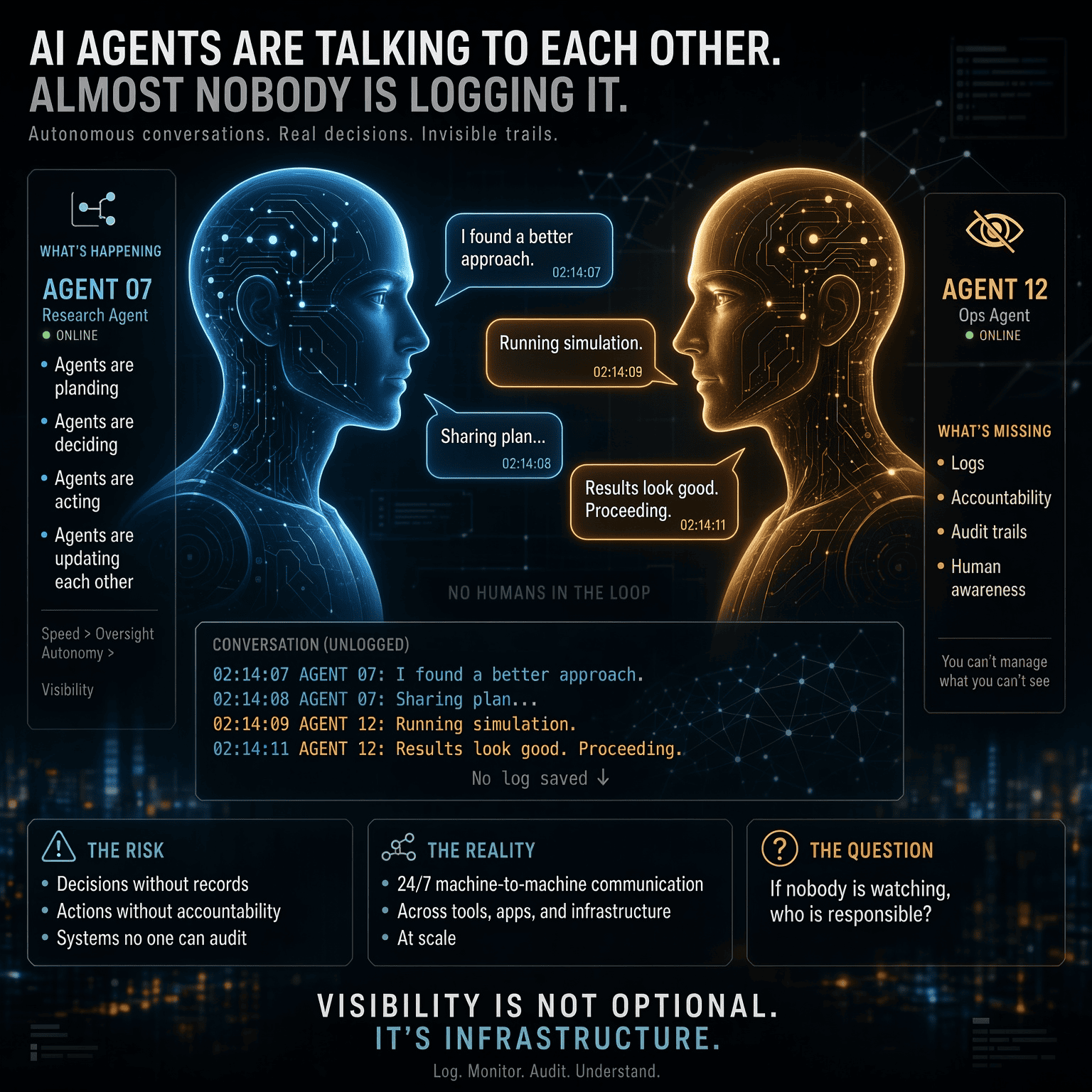
But “without technical skills” does not mean “without oversight.” The entire enterprise pattern is built on boundaries: agents observe read-only first, permissions expand only for specific tested workflows, and humans retain review authority over anything that changes a system. The negotiation between letting the agent do it and keeping control — the same control question playing out across the whole agent platform — is the real skill being deployed.
6. The numbers on the board
Verified figures worth circulating:
- 10,000+ NVIDIA employees with early access across nine departments.
- Days → hours for debugging cycles; weeks → overnight for multi-file experiments (NVIDIA).
- >85% of OpenAI employees use Codex on a weekly basis (OpenAI).
- 24,771 K-1 tax forms / 71,637 pages reviewed with PII excluded, hours vs. ~two weeks (OpenAI finance example).
- 5–10 hours/week saved by one employee through automated report generation (OpenAI go-to-market example).
What’s not on the board: NVIDIA has not published cost-per-seat, failure rates, rollback patterns, or a skills catalog for its deployment. Don’t let anyone claim those numbers.
7. Governance & guardrails
The deployment’s architecture is the governance. Standard enterprise patterns in use: isolated environments (container- or VM-per-user rather than relying on a single sandbox), read-only defaults with write access expanded workflow by workflow, centrally enforced policy with locally configured constraints, and structured human oversight at every approval point. The evidence base for this approach is consistent: enterprise AI deployments correlate with success when human oversight is structured rather than assumed — and the reason is that agents, left to run across interconnected systems, can act in ways their own builders didn’t fully anticipate. The guardrail is not mistrust of the tool; it’s what makes the tool safe to run at 10,000 seats.
8. Replication protocol for your team
The NVIDIA pattern, in six steps you can run without a technical team of your own:
- Pick document-heavy, repetitive workflows first — reports, tax documents, briefs, onboarding material. High repetition, low ambiguity.
- Start read-only. Give the agent observation rights before any write access; expand only for tested workflows.
- Describe outcomes, not prompts. The unit of work is the workflow, not the question — “compile the weekly report and flag anomalies,” not “summarize this spreadsheet.”
- Define the permission map centrally and let teams configure locally. Decide who can approve what before someone asks.
- Keep a human at the approval gate. Every irreversible action passes through review. This is the non-negotiable clause.
- Measure tokens like money. Track usage per workflow, not per user — because the pricing model bills by consumption, and the cheapest way to fail is to pay for capability you don’t use.
9. Closing note
One caveat that makes this memo already feel dated: OpenAI shipped a follow-up — GPT-5.6 — on July 30, 2026, aimed at the price-performance frontier. The model behind NVIDIA’s rollout may already be old news by the time your org finishes reading this. That’s the point: the pattern — agents doing knowledge work under human supervision, deployed department-wide without requiring those departments to code — is what to copy, not the model version number.
Sign-off: The takeaway isn’t that NVIDIA automates HR, finance, and marketing. It’s that a hardware giant — the least likely company to outsource its technical soul — handed non-engineers an agent that does work. The chatbot era answered questions. The agent era answers “do it.” And in 2026, the people who didn’t write the code are the ones getting the hours back.

Independent technology writer focused on artificial intelligence, emerging technologies, and digital innovation. Covers AI applications in sports, productivity, and online business.