





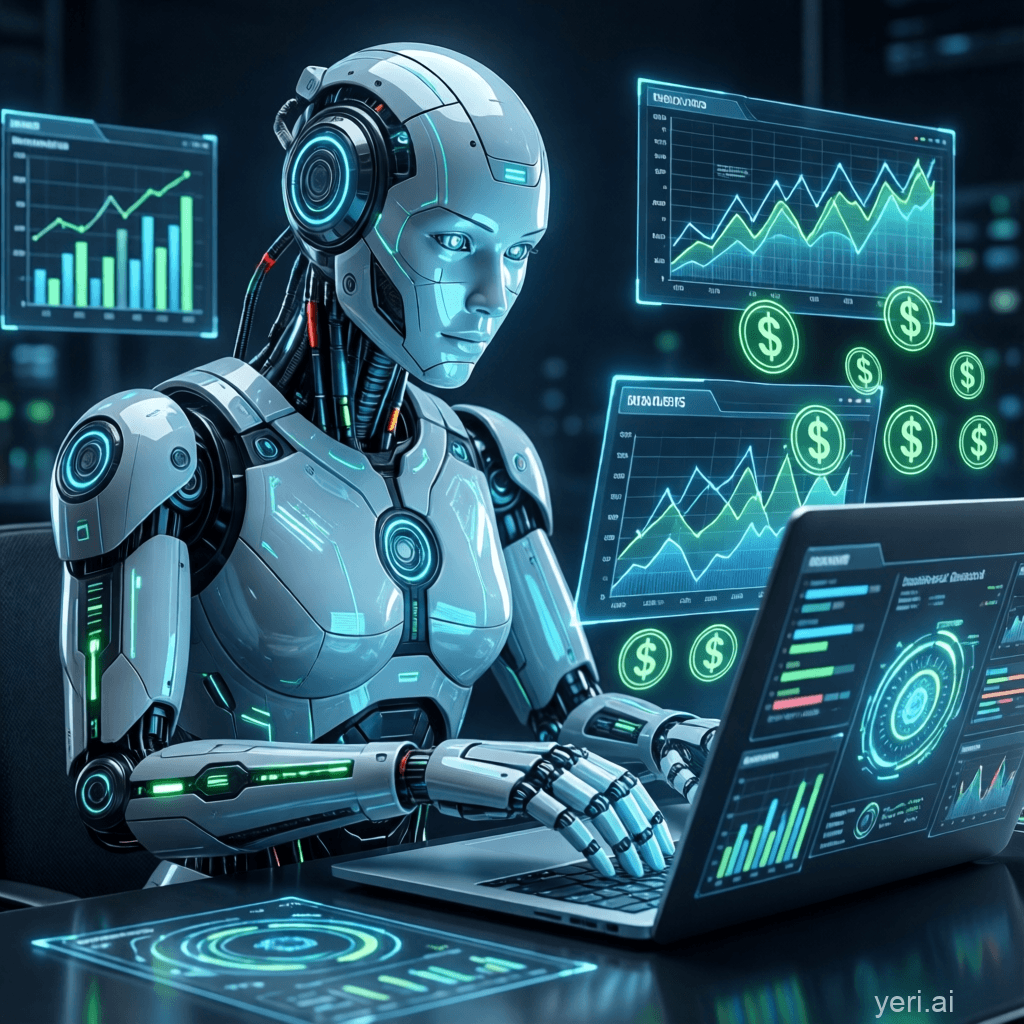




















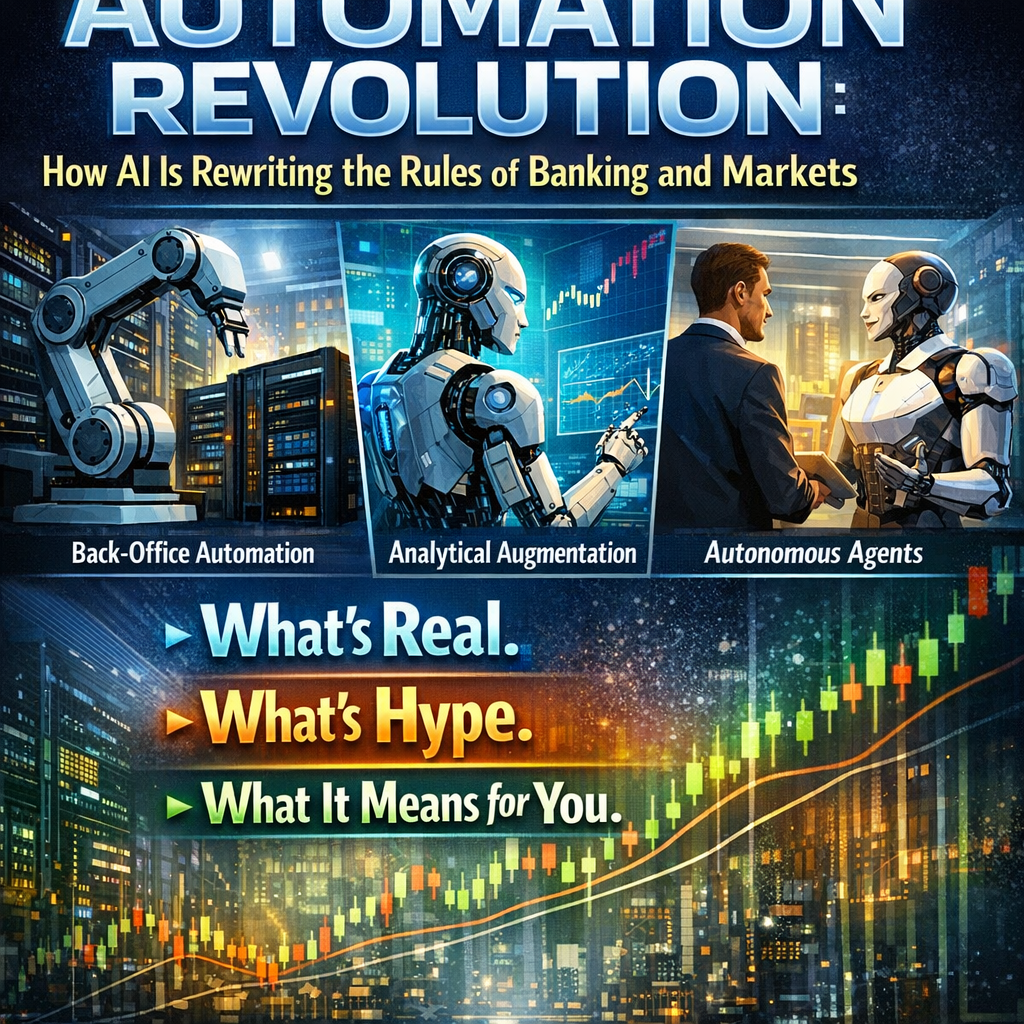
The financial industry is undergoing its most profound transformation since the advent of electronic trading. Artificial intelligence, machine learning, and autonomous agents are rewriting the fundamental rules of how banks operate, how markets function, and how risk is managed. This isn’t about replacing humans entirely—it’s about automating what can be automated and augmenting what can’t.
The Four Rules Being Rewritten
| Traditional Rule | New Reality | Impact |
|---|---|---|
| Information advantage | AI processes more data faster than any human team | The edge shifts from who has information to who can process it best |
| Human judgment at scale | Algorithms make thousands of micro-decisions per second | Decision-making is becoming increasingly automated |
| Relationship-based banking | Data-driven personalization and AI agents | Customer experience is being redefined by algorithms |
| Manual compliance | Automated monitoring and real-time risk detection | Compliance is becoming proactive rather than reactive |
How Banking Is Already Changing
AI isn’t coming to banking—it’s already here, transforming operations across the entire value chain.
Fraud Detection and Security
Traditional rule-based fraud detection systems generated massive false positives while still missing sophisticated attacks. Modern AI models analyze patterns in real-time, detecting anomalies that would be impossible for humans to spot. These systems learn continuously, adapting to new fraud techniques as they emerge.
Credit and Underwriting
The lending landscape has shifted dramatically. Banks now use alternative data sources, machine learning models, and even explainable AI to assess creditworthiness. This has opened up lending to previously underbanked populations while also making credit decisions faster and more consistent.
KYC, AML, and Compliance
Know Your Customer (KYC) and Anti-Money Laundering (AML) processes have historically been manual, expensive, and error-prone. AI now automates document verification, transaction monitoring, and suspicious activity detection. According to the Financial Stability Board, these technologies are becoming critical for maintaining compliance at scale.
Customer Experience and AI Agents
From chatbots to fully autonomous agents, AI is reshaping customer interactions. Modern AI agents can handle complex banking queries, assist with transfers, provide financial advice, and even help with dispute resolution. This shift is happening alongside the broader agentic AI revolution we’re seeing across industries, as explored in our analysis of automated exploitation in cyber warfare.
Back-Office Automation
The most significant impact may be in the back office. AI is automating document processing, reconciliation, reporting, and countless manual tasks. This is freeing up human capital for higher-value work while dramatically reducing operational costs.
How Markets Are Already Changing
Financial markets have been automated for decades, but AI is taking this to an entirely new level.
Algorithmic and High-Frequency Trading
Algorithmic trading has long dominated markets, but modern AI models are far more sophisticated than their predecessors. They can adapt to changing market conditions, learn from new data, and execute complex strategies across multiple asset classes simultaneously.
Sentiment Analysis and Alternative Data
AI models now scan news articles, social media, earnings calls, satellite imagery, and countless other data sources to gauge market sentiment. This gives traders insights into market-moving events faster than traditional news sources. Our earlier analysis of how AI detects market trends goes deeper into these mechanisms.
AI-Powered Research and Analysis
Large Language Models are democratizing financial research. Retail investors now have access to tools that can analyze earnings reports, summarize market news, and provide investment insights that were once exclusive to institutional research teams. This is leveling the playing field, but it also comes with risks as we explored in can AI predict the stock market?
The Rise of Autonomous Trading Agents
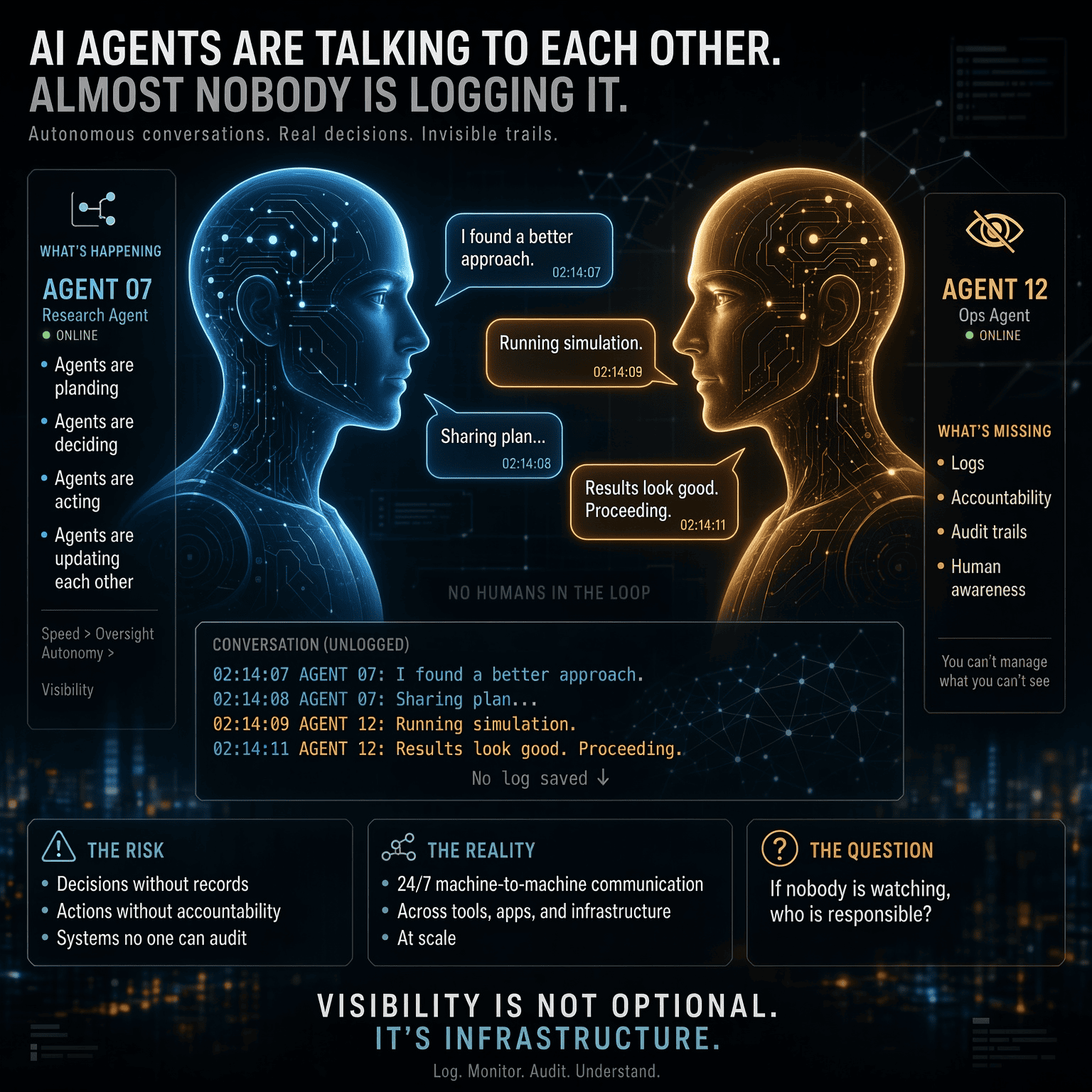
The latest evolution is fully autonomous trading agents that can research, analyze, execute, and manage positions with minimal human oversight. These agents can operate 24/7 across global markets, responding to opportunities faster than human traders ever could.
The New Risks
While the benefits are clear, this automation revolution brings significant risks that the industry is still grappling with.
| Risk | Description | Mitigation |
|---|---|---|
| Flash crashes and algorithmic herding | AI systems can amplify market volatility through correlated trading | Circuit breakers, position limits, and better monitoring |
| Model risk and hallucinations | LLMs can confidently provide incorrect financial advice | Human oversight, fact-checking, and clear disclaimers |
| Data bias and discrimination | AI models can perpetuate historical biases in lending | Regular auditing, diverse training data, explainable AI |
| Cybersecurity vulnerabilities | Automated systems create new attack surfaces | Robust security, as we covered in AI-powered cyber warfare |
| Systemic risk | Widespread adoption of similar models creates correlated behavior | Diversification of approaches and regulatory oversight |
| Job displacement | Automation will eliminate many traditional banking roles | Reskilling and workforce transition programs |
Regulation: Catching Up
Regulators are racing to keep pace with these changes. The SEC, Federal Reserve, and BIS are all grappling with how to regulate AI in financial services. Key focus areas include:
- Transparency and explainability: Regulators want to understand how AI models make decisions
- Model governance: Banks need robust frameworks for testing and monitoring AI systems
- Data privacy: Balancing innovation with consumer data protection
- Systemic risk monitoring: Tracking how AI adoption affects market stability
- Consumer protection: Ensuring AI doesn’t harm vulnerable consumers
What This Means for Different Stakeholders
| Stakeholder | Opportunities | Challenges |
|---|---|---|
| Traditional Banks | Reduce costs, improve efficiency, better risk management | Legacy systems, cultural resistance, regulatory compliance |
| FinTech Startups | Disrupt incumbents, innovate faster, reach new markets | Access to capital, regulatory hurdles, competition from incumbents |
| Institutional Investors | Better alpha generation, improved risk management, 24/7 monitoring | Model complexity, data costs, increased competition |
| Retail Investors | Democratized access to sophisticated tools and insights | Misinformation, over-reliance on AI, increased market complexity |
| Regulators | Better market surveillance, improved fraud detection | Keeping pace with innovation, balancing innovation vs stability |
The Road Ahead
The automation revolution in finance is still in its early stages. Several trends will shape the next phase:
- Agentic AI at scale: Autonomous agents will handle increasingly complex financial workflows
- Human-AI collaboration: The most successful firms will blend human judgment with AI capabilities
- Regulatory clarity: We’ll see more specific regulations for AI in finance
- Geopolitical competition: Like in semiconductors and AI, financial AI will become a strategic battleground
- Focus on responsible AI: Ethics, explainability, and fairness will become competitive advantages
Verdict
AI is fundamentally rewriting the rules of banking and markets. The institutions that thrive will be those that embrace automation while maintaining strong risk management, ethical practices, and human oversight. The key is finding the right balance between innovation and stability.
The revolution is here, but it’s not about replacing the human element entirely—it’s about augmenting it. Banks that can successfully blend human judgment with AI capabilities will define the next era of finance, while those that resist or move too recklessly will be left behind.
links
- How AI Detects Market Trends Before Humans – Market analysis mechanisms
- Can Artificial Intelligence Predict the Stock Market? – Realistic assessment
- Automated Exploitation: What July’s Breaches Reveal About the Future of Cyber Warfare – AI security risks
- In Chinese Silicon: Who Will Survive the Price War? – Tech competition context
External links source
- Federal Reserve Financial Stability Reports
- Bank for International Settlements (BIS)
- SEC
- Financial Stability Board (FSB)

Independent technology writer focused on artificial intelligence, emerging technologies, and digital innovation. Covers AI applications in sports, productivity, and online business.